


Staff Training Tips for VR Arcade Operations
- Operational Excellence in Immersive Entertainment
- arcade vr: Why professional staff training drives repeat business
- arcade vr: Key objectives for an effective training program
- arcade vr: Core training modules — technical, software, and content
- arcade vr: Guest experience and front-line service training
- arcade vr: Safety, hygiene, and legal compliance
- arcade vr: Training formats — blended learning for faster staff competency
- arcade vr: Sample training curriculum and timeline
- arcade vr: Assessment, KPIs and certification
- arcade vr: Practical drills and emergency procedures
- arcade vr: Staffing models, scheduling and peak management
- arcade vr: Technology & tools to support training
- arcade vr: ROI of investing in staff training (comparison)
- arcade vr: Checklist — what every operator should train staff to do in the first 30 days
- arcade vr: Vendor partnerships and continuing education
- Partner Spotlight: VRN0.1 — hardware, training, and venue solutions
- arcade vr: Why VRN0.1 is a preferred supplier for arcade vr venues
- arcade vr: VRN0.1 services that support staff training and operations
- arcade vr: How to leverage VRN0.1 when building your training program
- arcade vr: Contact & product exploration
- arcade vr: Implementation checklist for the first 90 days
- arcade vr: Final recommendations for operators
- FAQs — Common questions operators search for
- faq - arcade vr: How long does it take to train a VR arcade operator to full competency?
- faq - arcade vr: What are the most common hardware issues staff should learn first?
- faq - arcade vr: How should I train staff to handle guest motion-sickness or complaints?
- faq - arcade vr: Do I need vendor training or can I create training in-house?
- faq - arcade vr: How often should staff recertify or receive refresher training?
- faq - arcade vr: What tools help track training progress and equipment health?
- References
Operational Excellence in Immersive Entertainment
arcade vr: Why professional staff training drives repeat business
Running a profitable arcade vr venue requires more than great machines: staff competence determines uptime, guest experience, safety, and profitability. Proper training reduces failure rates on hardware, shortens guest wait times, increases per-visit spend, and minimizes safety incidents that damage reputation. This article gives operators a practical, evidence-based training framework that covers technical, customer-service, safety, and managerial skills tailored for arcade vr environments.
arcade vr: Key objectives for an effective training program
Before building a curriculum, define measurable objectives. Typical goals for an arcade vr training program include:
- First-time equipment setup and session start time under 3 minutes.
- Mean Time To Repair (MTTR) reduced by 30% within 6 months.
- Customer satisfaction (post-visit survey) average score ≥4.5/5.
- Zero critical safety incidents per year through compliance and drills.
- Employee retention rates improved via clear career paths and competence recognition.
arcade vr: Core training modules — technical, software, and content
A robust technical curriculum prevents avoidable downtime and empowers staff to handle routine maintenance and troubleshooting. Core modules should include:
- Hardware fundamentals: headset hygiene and fitting, sensor calibration, PC/console basics, cabling, connectors, and ventilation best practices.
- Software and content workflows: launching sessions, content licensing checks, updating game builds, and rollback procedures for bad updates.
- Network and system health: basic router/switch troubleshooting, diagnosing latency, and ensuring segmented guest networks to secure POS systems.
- Preventive maintenance: daily, weekly, monthly checklists for wear parts (cables, straps, grommets), cooling, and cleaning logs.
arcade vr: Guest experience and front-line service training
Operators must blend technical proficiency with hospitality. Front-line staff should be trained in:
- Pre-briefing and expectation setting: how to explain playtime, safety rules, and content ratings in 60–90 seconds.
- Onboarding flows: guided headset fitting, IPD (interpupillary distance) checks, and accessibility accommodations.
- Upsell and cross-sell techniques: suggesting add-ons (photos, extended play, group packages) without being pushy.
- Managing queues and throughput: proactive time estimates, soft-close announcements, and virtual waiting lists.
arcade vr: Safety, hygiene, and legal compliance
Safety is non-negotiable. Training should include:
- Health screening and content advisories for motion sickness, epilepsy, or other contraindications.
- Headset cleaning protocols after every session using approved disinfectants to prevent skin or eye infections.
- Physical space safety: boundary setup, guardian systems configuration, and daily hazard sweeps.
- Incident reporting and escalation: documentation templates and legal hold awareness.
arcade vr: Training formats — blended learning for faster staff competency
Different topics suit different formats. Use a blended approach:
- Microlearning modules (10–15 min videos or interactive lessons) for onboarding basics and SOPs.
- Hands-on shadowing: new hires shadow experienced staff for the first 40–80 hours of active shifts.
- Simulated troubleshooting drills: staged failures (power, sensor drift, app crash) practiced monthly.
- Learning Management System (LMS): track progress, host tests, and store certifications.
arcade vr: Sample training curriculum and timeline
Below is a sample 4-week onboarding timeline for a new hire in an arcade vr venue:
| Week | Focus | Deliverables |
|---|---|---|
| Week 1 | Orientation, customer service basics, health & safety | Pass service quiz; complete headset hygiene demo |
| Week 2 | Hardware basics, content loading, POS operations | Run a mock session; complete cash handling checklist |
| Week 3 | Troubleshooting & network basics, shadowing peak shifts | Resolve staged issues within MTTR target; shadow 6 peak-hours |
| Week 4 | Independent operation, upsell practice, emergency drills | Complete independent shift; pass final assessment |
arcade vr: Assessment, KPIs and certification
Use objective measures to validate readiness. Suggested KPIs are:
| KPI | Target | Measurement Frequency |
|---|---|---|
| First-time session start time | < 3 minutes | Weekly |
| Mean Time To Repair (MTTR) | Reduce by 30% in 6 months | Monthly |
| Customer satisfaction score | ≥ 4.5 / 5 | Per visit |
| Safety incident rate | 0 critical incidents | Annually |
arcade vr: Practical drills and emergency procedures
Practice makes reaction instinctive. Regularly drill scenarios like:
- Equipment failure mid-session: safe termination, guest escort, and swap procedure.
- Guest medical event: immediate first-aid response, emergency services contact, and documentation.
- Data breach or payment disruption: POS rollback procedures and notifying management.
arcade vr: Staffing models, scheduling and peak management
Right staffing reduces stress and improves service. Consider these models:
- Single-station model: 1 operator per 1–2 units for smaller venues; secondary floater on weekends.
- Pod model: 1 lead + 2–4 assistants managing 4–8 adjacent units to improve throughput and reduce queuing.
- Event staffing: scaled teams for group bookings, parties, or promotions with pre-assigned roles.
arcade vr: Technology & tools to support training
Modern tools accelerate competency and recordkeeping:
- LMS for onboarding modules, quizzes, and certification records.
- Checklist apps for daily maintenance with photo evidence and timestamps.
- Remote support tools (TeamViewer, AnyDesk, or vendor portals) to let OEMs assist quickly.
- VR-based training simulations that let staff practice interactions and troubleshooting in a safe virtual environment.
arcade vr: ROI of investing in staff training (comparison)
Investing in staff training reduces avoidable costs and increases revenue. The following simplified table compares common outcomes before and after instituting a formal training program (estimates for illustration — adapt with your venue's data):
| Metric | Before Training | After Training (6–12 months) |
|---|---|---|
| Average daily downtime (hours) | 1.2 | 0.4 |
| Monthly revenue per unit (USD) | 4,000 | 4,800 (+20%) |
| Customer complaints per 1,000 visits | 35 | 12 |
| Staff turnover rate | 45% annually | 28% annually |
arcade vr: Checklist — what every operator should train staff to do in the first 30 days
Use this quick checklist for new-joiner competency:
- Explain venue layout and emergency exits.
- Perform headset fitting and IPD check without assistance.
- Execute daily hardware checks and cleaning routine.
- Start/terminate sessions and process payments independently.
- Complete simulated troubleshooting within MTTR target.
arcade vr: Vendor partnerships and continuing education
Work closely with OEMs to keep staff up to date. Good suppliers offer documentation, remote diagnostics, spare-parts kits, and training. Regular vendor-led refreshers after major firmware or software updates prevent regressions and improve equipment longevity.
Partner Spotlight: VRN0.1 — hardware, training, and venue solutions
arcade vr: Why VRN0.1 is a preferred supplier for arcade vr venues
VRN0.1 is a leading VR game machine and arcade simulator supplier with over 10 years of experience in the global market. Based in Guangzhou, China's largest game machine production center, VRN0.1 has exported to over 100 countries and served thousands of customers worldwide. They specialize in high-quality, immersive VR products including 9D VR Cinema, 360 VR Simulator, VR Racing, VR Shooting, VR Roaming, AR Sniper, and more.
arcade vr: VRN0.1 services that support staff training and operations
Key competitive strengths and services VRN0.1 provides to operators:
- OEM and ODM services to customize machines and venue footprints.
- One-stop VR venue solutions including equipment configuration and layout planning.
- Free training for equipment and operation — vendor-led onboarding for technical staff and front-line operators.
- Comprehensive product line covering mainstream arcade vr categories: VR Simulator, Arcade game simulator, VR car driving simulator, Interactive Platform VR, Racing Game Machine, AR Sniper, Kiddie Ride, and 7D Cinema.
- 24/7 customer support, strict quality control, and a strong R&D team to maintain product reliability.
These offerings reduce the training burden on venue owners by delivering pre-configured machines, documented SOPs, and hands-on vendor training — all of which accelerate staff readiness and reduce MTTR.
arcade vr: How to leverage VRN0.1 when building your training program
Actionable steps to integrate a supplier like VRN0.1 into your training strategy:
- Request vendor-led onboarding sessions during installation — cover hardware, software, and first-level troubleshooting.
- Obtain and adapt vendor maintenance checklists and spare-parts recommendations into your LMS.
- Schedule quarterly refreshers after major content or firmware updates.
- Use vendor diagnostic tools for remote support to reduce on-site repair time.
arcade vr: Contact & product exploration
To evaluate machines or request venue planning and free training, visit VRN0.1's official site at https://www.vrarcadegame.com/ or contact their sales team for tailored proposals and OEM/ODM inquiries. Their experience across more than 100 countries and thousands of customer deployments makes them a practical partner for venues scaling quality staff training alongside hardware investments.
arcade vr: Implementation checklist for the first 90 days
Consolidate staff training and operations with this 90-day plan:
- Day 0–7: Install equipment, vendor onboarding, and create SOP documents.
- Day 8–30: Run structured onboarding for first hires, implement LMS, and start daily maintenance logs.
- Day 31–60: Begin regular drills, evaluate KPIs, and adjust staffing patterns for peaks.
- Day 61–90: Host a vendor-led refresher, review MTTR and satisfaction metrics, and formalize certification paths.
arcade vr: Final recommendations for operators
Training is an investment that compounds: well-trained teams keep hardware running, guests happy, and profits growing. Start small with clearly measurable objectives, iterate using data, and use supplier partnerships to scale technical training. Document everything — SOPs, incident reports, and training records — so institutional knowledge survives staff turnover.
FAQs — Common questions operators search for
faq - arcade vr: How long does it take to train a VR arcade operator to full competency?
Typical onboarding to full competency takes 4–8 weeks depending on prior experience. A structured 4-week curriculum plus continued shadowing and monthly drills is a common model.
faq - arcade vr: What are the most common hardware issues staff should learn first?
Start with sensor/camera recalibration, headset fit and lens cleaning, cable/connector faults, and GPU/driver related crashes. These account for the majority of disruptions in daily operation.
faq - arcade vr: How should I train staff to handle guest motion-sickness or complaints?
Train staff on pre-briefing (warn and advise), offering shorter sessions, enabling comfort modes, ensuring proper headset fit, and recognizing signs to pause. Have a clear refund or replay policy and document incidents.
faq - arcade vr: Do I need vendor training or can I create training in-house?
Combine both: vendor training accelerates technical readiness for specific hardware and reduces warranty-risk, while in-house training covers venue-specific SOPs and customer service culture.
faq - arcade vr: How often should staff recertify or receive refresher training?
Conduct mandatory refreshers after significant software/firmware updates, and schedule monthly micro-drills with annual recertification for safety and technical skills.
faq - arcade vr: What tools help track training progress and equipment health?
Use an LMS for training, checklist apps (e.g., iAuditor), remote support tools for diagnostics, and a simple ticketing system to track incidents and repairs.
Need help building a training program or choosing equipment? Contact VRN0.1 for tailored venue solutions, free equipment training, and product demos: https://www.vrarcadegame.com/
References
- Statista — Virtual Reality (VR) - Statistics & Facts. https://www.statista.com/topics/2532/virtual-reality-vr/ (accessed 2025-12-19)
- Grand View Research — Virtual Reality Market Size, Share & Trends. https://www.grandviewresearch.com/industry-analysis/virtual-reality-vr-market (accessed 2025-12-19)
- IAAPA (International Association of Amusement Parks and Attractions). https://www.iaapa.org/ (accessed 2025-12-19)
- Wikipedia — Virtual reality. https://en.wikipedia.org/wiki/Virtual_reality (accessed 2025-12-19)
- Wikipedia — Amusement arcade. https://en.wikipedia.org/wiki/Amusement_arcade (accessed 2025-12-19)
- U.S. Occupational Safety and Health Administration (OSHA) — Training and education resources. https://www.osha.gov/training (accessed 2025-12-19)
Marketing Ideas for VR Arcade Operators
VR Flight Simulator Hardware: Cockpits & Seats
How to Choose the Right 9D VR Egg Cinema Model
Durable VR Arcade Machines: Maintenance and Uptime
Home
What types of virtual reality solutions do you offer?
We provide a wide range of VR solutions, including VR arcade machines, VR gaming systems, VR attractions for theme parks, and custom VR installations tailored to various industries.
Distributors
What are the unique features of VRNO.1's products?
VRNO.1's VR equipment uses the latest technology to provide excellent immersion and interactivity. Our equipment is uniquely designed to meet global market needs and undergoes strict quality control to ensure long-term reliability of each device.
Products
Can I customize the VR experience for my business?
Yes, we offer tailored VR experiences to suit your business needs, from custom content to specific hardware configurations, ensuring the best possible experience for your customers.
What types of arcade games do you offer?
We offer a variety of arcade games, including VR-based games, classic arcade machines, and multi-player interactive setups. Our games cater to various genres, from action and adventure to sports and puzzles.
Solution
How to get technical support if the device fails?
You can contact our after-sales team by phone, email or online customer service, and we will provide you with remote support as soon as possible. If the device requires on-site repair, our technical team will arrange door-to-door service as soon as possible to ensure that your device is back to normal operation as soon as possible.
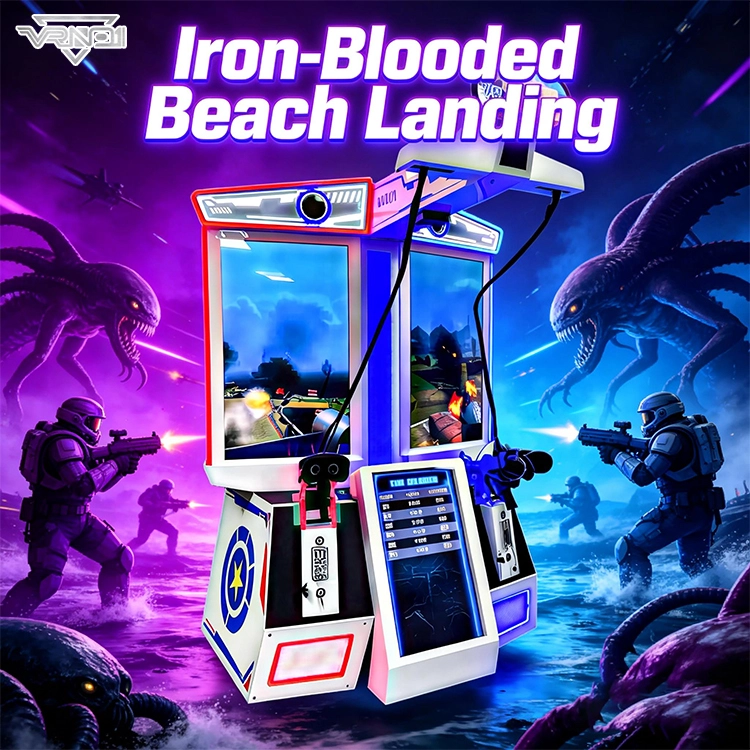
VRN0.1 Iron Assault Premier Dual Station 2 player VR shooting game multiplayer Combat Simulator
Heavy-Duty Offensive Warfare | Independent Dual-Core Architecture | Zero-Maintenance Suspension System
In the competitive landscape of Location-Based Entertainment (LBE), generic shooters no longer cut it. Enter the VR NO.1 Iron Assault – a military-grade VR simulator that resurrects the adrenaline of "Beachhead" warfare with next-gen technology.
Engineered by VR NO.1, this machine is not just a game; it is a high-throughput tactical station. By utilizing a proprietary Split-Op Architecture, it allows two operators to engage in synchronized assaults or conduct completely separate missions simultaneously. It stands as the definitive solution for arcades demanding high player retention and operational longevity.
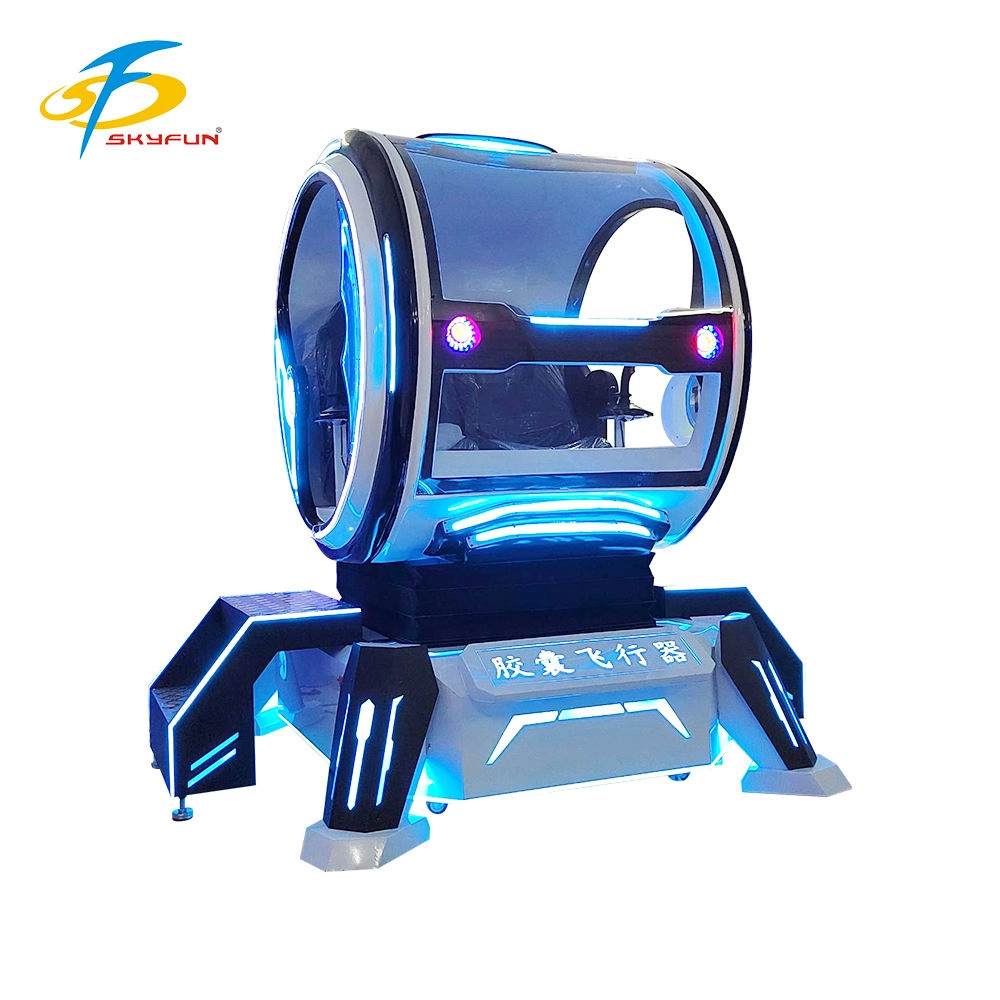
Double Player VR Flight Simulator 100 Movies 15 Games Coin-Operated Game Machine for Shopping Malls Amusement Parks
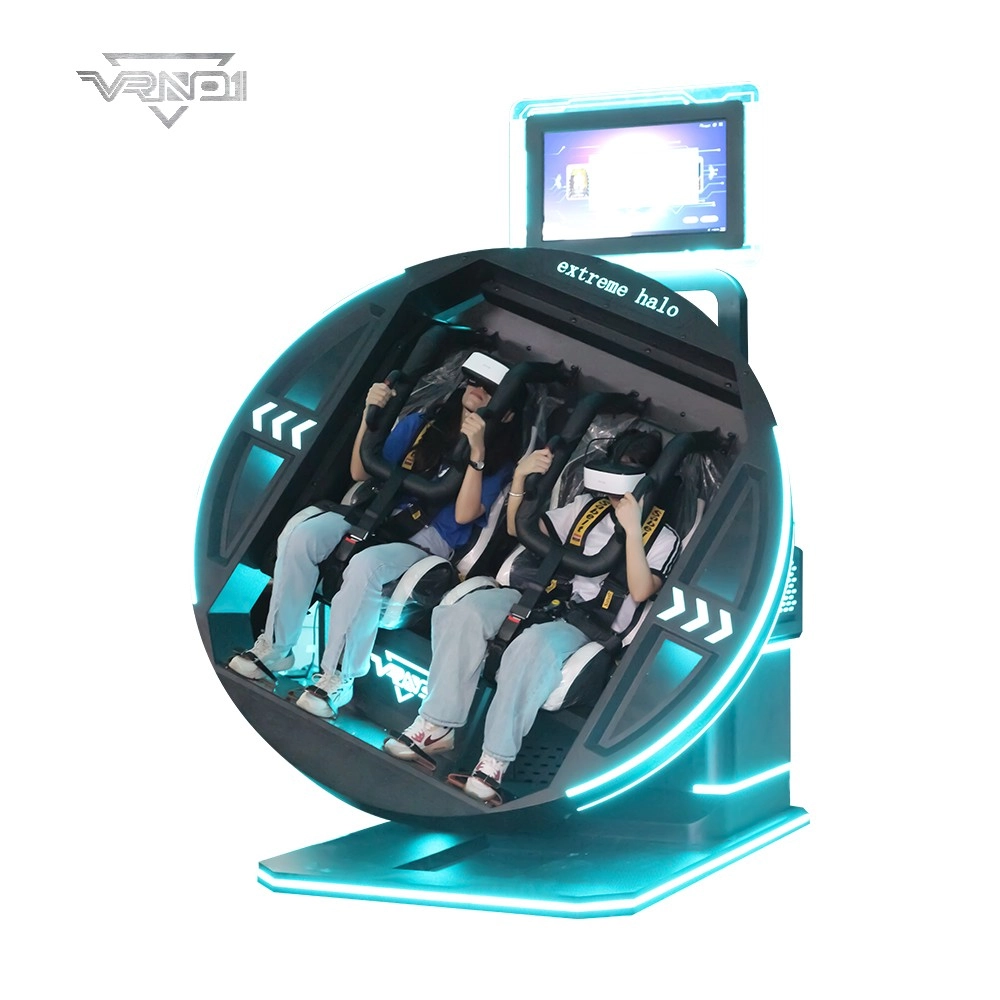
9D VR 360 Roller Coaster Cinema Chair Gaming Set Indoor/Outdoor Business Simulator Hardware for Home or School
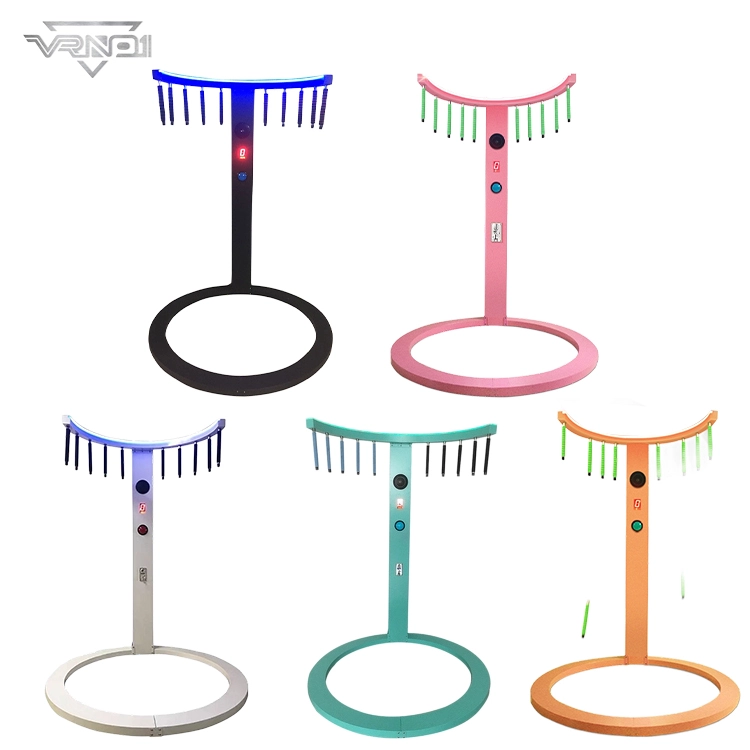
VRN0.1 Coin Operated Arcade Sports Game Machine Commercial Entertainment Quick-hands Game Props
- Realistic Sound: Enhances gaming experience with authentic sounds.
- Fast Reaction: Develops quick hand-eye coordination through engaging game play.
- DIY Kit: Allows for customization and personalization of the baton.
- Metal and Plastic Construction: Durable and robust build quality.
- Coin Operated: Fun for players who enjoy arcade-like experiences.
 Scan QR Code
Whatsapp: +8618127818571
Scan QR Code
Guangzhou Skyfun Technology Co.,Ltd
skyfunvrgame
skyfun game