


Monetization Models for VR Shooter Games in Arcades
- Choosing the Right Monetization Model for VR Shooter Games in Arcades
- Understanding customer intent and arcade economics
- Key performance indicators (KPIs) to monitor
- Balancing quality and throughput
- Core Monetization Models Explained
- 1. Pay-per-play (ticketed sessions)
- 2. Time-based pricing and blocks
- 3. Memberships and subscriptions
- 4. Hybrid bundles and party packages
- 5. In-game microtransactions and DLC (arcade-safe)
- Comparative Table: Monetization Models for VR Shooter Games
- Optimizing Revenue Through Operations, Pricing, and Data
- Pricing experiments and elasticity testing
- Maximizing throughput without degrading experience
- Using data to refine offers and retention
- Implementation and Scaling — Practical Steps for Arcade Owners
- Choosing content and hardware to match your model
- Staff training and customer experience
- Marketing, partnerships, and local engagement
- Revenue Modeling Example and ROI Considerations
- Simple ROI model
- Example assumptions (conservative)
- Scaling multi-machine venues
- How VRN0.1 Supports Monetization and Venue Success
- Company overview and market reach
- Product lineup and operational advantages
- Technical strength and after-sales
- Implementation Checklist and Quick Wins
- Pre-launch checklist
- Quick wins for first 90 days
- Frequently Asked Questions (FAQ)
- 1. What is the best monetization model for a small arcade with two VR shooter rigs?
- 2. How should I price VR shooter sessions?
- 3. Are in-game purchases appropriate for arcades?
- 4. How can I increase repeat visits for VR shooters?
- 5. What operational steps reduce downtime and increase revenue?
- 6. How long before a VR shooter machine pays back its investment?
- Contact & Consultation
- References
Choosing the Right Monetization Model for VR Shooter Games in Arcades
Understanding customer intent and arcade economics
Before selecting a monetization model for vr shooter games, operators must align product experience with customer intent. Are visitors seeking a quick thrill (walk-up play), social competitive sessions (groups and parties), or repeat visits (memberships and leagues)? Average dwell time, peak hours, local foot traffic, and demographic mix determine which models will maximize revenue per square meter and per machine.
Key performance indicators (KPIs) to monitor
Track KPIs that directly link to monetization decisions: plays per machine per day, average revenue per play (ARPP), dwell time, conversion rate of walk-ins to paid users, repeat visit rate, and ancillary spend (F&B, merch). These metrics enable operators to test price sensitivity and iterate quickly.
Balancing quality and throughput
VR shooter games are immersive but can be throughput-constrained (setup, safety briefing, hardware calibration). Monetization must balance per-play price with realistic throughput. High-price, low-throughput models require exceptional USP (unique content, superior hardware, private rooms) and strong marketing; high-throughput, low-price models benefit from impulse traffic and volume.
Core Monetization Models Explained
1. Pay-per-play (ticketed sessions)
Pay-per-play is the traditional arcade approach: customers purchase a single session or ticket (e.g., 5–15 minutes). For vr shooter games, session length must match gameplay to avoid poor experience. Typical price ranges vary by market — often $5–$20 per session depending on hardware, location, and content quality.
2. Time-based pricing and blocks
Time-based pricing sells blocks of time (e.g., 10/20/30 minutes). This model simplifies operations and can increase ARPP by upselling longer sessions. Offer tiered packages (standard, High Quality) that add features such as leaderboard recording, extra ammo, or exclusive maps.
3. Memberships and subscriptions
Subscriptions (weekly, monthly) work well where there's a consistent local base: leagues, local gaming communities, and high-frequency customers. Memberships can include benefits: discounted sessions, priority booking, exclusive events, and digital rewards. This model stabilizes revenue and increases lifetime value (LTV).
4. Hybrid bundles and party packages
Bundles combine play sessions with F&B, private rooms, or party-themed add-ons. Groups buying multi-player sessions (4–8 players) are ideal for social shooter experiences. Bundles increase per-visit spend and are effective for events, birthdays, and corporate teambuilding.
5. In-game microtransactions and DLC (arcade-safe)
Unlike home or mobile games, arcades must be careful with microtransactions. Implementing short-term, session-bound upgrades (cosmetic skins, extra ammo, temporary power-ups) is acceptable and can boost ARPP. Ensure microtransactions are clear, fast, and complement the live experience without breaking fairness in competitive modes.
Comparative Table: Monetization Models for VR Shooter Games
| Model | Revenue Streams | Pros | Cons | Best for |
|---|---|---|---|---|
| Pay-per-play | Single-session fees | Simple, impulse-friendly, low friction | Revenue volatility, limited LTV | High footfall locations & casual gamers |
| Time-based pricing | Tiered time blocks, upsells | Predictable ARPP, easier scheduling | Requires demand management | Mid-sized arcades, urban centers |
| Memberships/Subscriptions | Recurring fees, perks | Stable revenue, higher LTV | Requires repeat customers and engagement | Dedicated local communities, esports centers |
| Bundles & parties | Multi-item packages, F&B, rooms | High ARPP, strong margins | Operational complexity | Group-focused venues, family entertainment centers |
| In-game microtransactions | Perks, cosmetics, DLC | Adds incremental revenue, personalization | Requires careful design & fairness | Competitive multiplayer and repeat visitors |
Optimizing Revenue Through Operations, Pricing, and Data
Pricing experiments and elasticity testing
Run A/B pricing tests across different time slots, weekdays vs weekends, and customer segments. Small price variations (10–20%) and bundling experiments reveal elasticity. Use short experiments to avoid confounding seasonal demand.
Maximizing throughput without degrading experience
Operational tweaks—streamlined onboarding, practiced safety briefings, quick-fit HMD hygiene systems, and pre-calibrated rigs—reduce turnover time. Train staff to upsell High Quality sessions and parties during check-in to increase conversion.
Using data to refine offers and retention
Capture anonymized session data: most-played modes, average score, churn points within sessions. Use this to design targeted offers (e.g., “beat your high score” discounts) and curated membership incentives. Loyalty programs tied to leaderboards and seasonal tournaments drive repeat visits.
Implementation and Scaling — Practical Steps for Arcade Owners
Choosing content and hardware to match your model
Select vr shooter games with clear game loop lengths that fit your pricing model. For pay-per-play, shorter maps (5–7 minutes) increase throughput. For High Quality private experiences, invest in high-end rigs, better audio, and motion seats to justify higher prices.
Staff training and customer experience
Staff are a revenue lever: trained attendants improve throughput, explain microtransactions, and upsell packages. Establish SOPs for cleanliness, safety, and rapid user setup. Empathetic staff interactions convert walk-ins to repeat customers.
Marketing, partnerships, and local engagement
Partner with schools, corporates, and event planners to sell group packages and weekly leagues. Use targeted digital ads and local influencers to promote tournaments. Cross-promote with adjacent businesses (cafes, family centers) for bundle deals.
Revenue Modeling Example and ROI Considerations
Simple ROI model
Estimate revenue per machine monthly: multiply average sessions per day × average price × days open. Subtract operating costs (rent allocation, staff, maintenance, licensing). Factor in CAPEX amortization over equipment lifespan (typically 3–5 years for VR rigs). This model tells you break-even sessions per day.
Example assumptions (conservative)
Assume: 12 sessions/day, $12 average price, 26 days/month → gross revenue $3,744/month per machine. If operating cost allocation (including rent, staff share, energy) = $1,800/month and amortized CAPEX = $600/month, net before tax ≈ $1,344/month. Sensitivity: increasing sessions to 20/day or introducing a $5 microtransaction on 25% of players meaningfully raises profitability.
Scaling multi-machine venues
In multi-machine venues, diversify models per machine: dedicate one or two High Quality rigs to private party/long-session bookings and other rigs to high-throughput pay-per-play. This mix reduces revenue volatility and maximizes floor utilization.
How VRN0.1 Supports Monetization and Venue Success
Company overview and market reach
VRN0.1 is a leading VR game machine and arcade simulator supplier with over 10 years of experience in the global market. Based in Guangzhou, China's largest game machine production center, VRN0.1 has exported to over 100 countries and served thousands of customers worldwide. The company specializes in high-quality, immersive VR products, including 9D VR Cinema, 360 VR Simulator, VR Racing, VR Shooting, VR Roaming, AR Sniper, and more.
Product lineup and operational advantages
Core products relevant to vr shooter games and monetization strategies include VR Simulator, Arcade Game Simulator, VR Car Driving Simulator, Interactive Platform VR, Racing Game Machine, AR Sniper, Kiddie Ride, and 7D Cinema. VRN0.1 provides OEM and ODM services, a one-stop VR venue solution, and free training for equipment and operation to reduce time-to-revenue for new venues.
Technical strength and after-sales
With a strong R&D team, strict quality control, and 24/7 customer support, VRN0.1 commits to innovation, reliability, and customer satisfaction. They offer tailored venue planning, equipment configuration, and operational strategies to meet each customer's needs and budgets. These services help operators choose the right monetization mix—matching hardware capability with pricing, throughput, and content strategy.
Implementation Checklist and Quick Wins
Pre-launch checklist
- Define target customer segments and expected footfall
- Select mix of machines: high-throughput vs High Quality
- Design pricing tiers and bundles; pilot with soft launch
- Train staff on ops and upsell scripts
- Install analytics for session and revenue tracking
Quick wins for first 90 days
- Offer limited-time launch bundles (e.g., 2-for-1 on weekdays)
- Run small tournaments with entry fees and prizes
- Introduce a simple loyalty card or digital points
- Collect emails and invite repeat-visit offers
Frequently Asked Questions (FAQ)
1. What is the best monetization model for a small arcade with two VR shooter rigs?
For small venues, mix pay-per-play for walk-ins with a time-blocked High Quality slot for parties or private bookings. This permits high throughput during peak times and higher-margin revenue from reserved sessions.
2. How should I price VR shooter sessions?
Start with local market benchmarking. Common ranges are $5–$20 per session depending on duration and hardware. Test price elasticity and use tiered time packages to capture different customer intents.
3. Are in-game purchases appropriate for arcades?
Yes, if implemented transparently and limited to session-bound perks or cosmetics. Avoid pay-to-win mechanics that undermine fairness in competitive multiplayer.
4. How can I increase repeat visits for VR shooters?
Use memberships, leaderboards, weekly tournaments, and loyalty rewards tied to incremental benefits. Community-focused events drive retention.
5. What operational steps reduce downtime and increase revenue?
Standardize onboarding, implement rapid HMD hygiene protocols, pre-calibrate equipment, and train staff in quick troubleshooting. Faster turnover increases sessions per day.
6. How long before a VR shooter machine pays back its investment?
Payback depends on CAPEX, local demand, and chosen monetization. Under conservative scenarios (12 sessions/day at $12), payback can be within 18–36 months. Build a simple amortized model to estimate for your location.
Contact & Consultation
If you want a tailored venue plan, equipment configuration, or assistance selecting monetization strategies for vr shooter games, contact VRN0.1. Visit https://www.vrarcadegame.com/ to view their product range and request a consultation. VRN0.1 provides one-stop VR venue solutions, free training, OEM/ODM services, and 24/7 support to help you accelerate revenue and optimize operations.
References
- Statista — Virtual Reality (VR) market revenue worldwide. Available: https://www.statista.com/
- Grand View Research — Virtual Reality Market Size & Trends. Available: https://www.grandviewresearch.com/
- Newzoo — Global Games Market Report (industry trends and monetization). Available: https://newzoo.com/
- Industry sources on arcade operations and KPIs — IAAPA (International Association of Amusement Parks and Attractions). Available: https://www.iaapa.org/
- VRN0.1 company site — VR arcade product and service descriptions. Available: https://www.vrarcadegame.com/
Integrating VR Arcade Machines with POS and Management Systems
Everything You Need to Know About arcade games driving simulator
Customer Retention Strategies for VR Arcades
Top 10 best vr game machine Manufacturers and Supplier Brands
Solution
Does VRNO.1 provide customized development of VR game content?
Yes, VRNO.1 provides customized development services for game content. We can customize specific types of games according to your needs to enhance the user experience. Customized content can include game themes, scenes, interactive functions, etc. to meet different market needs.
How to customize VR equipment and content for my venue?
VRNO.1 provides personalized customization services. You can choose different VR equipment and game content according to the type of venue, customer group and budget requirements. Our design team will communicate with you to ensure the best solution and design the venue layout.
Distributors
How to become a VRNO.1 dealer?
You can start the application by visiting our website and filling out the dealer application form. Our team will evaluate your application upon receipt and contact you for further communication.
What types of products does VRNO.1 offer for dealers to sell?
We offer a variety of virtual reality entertainment equipment, including our flagship products 360 Kingkong and Crazy Motorcycle. In addition, we customize various VR solutions for amusement parks, theme parks and entertainment centers.
Home
Can I customize the VR experience for my business?
Yes, we offer tailored VR experiences to suit your business needs, from custom content to specific hardware configurations, ensuring the best possible experience for your customers.
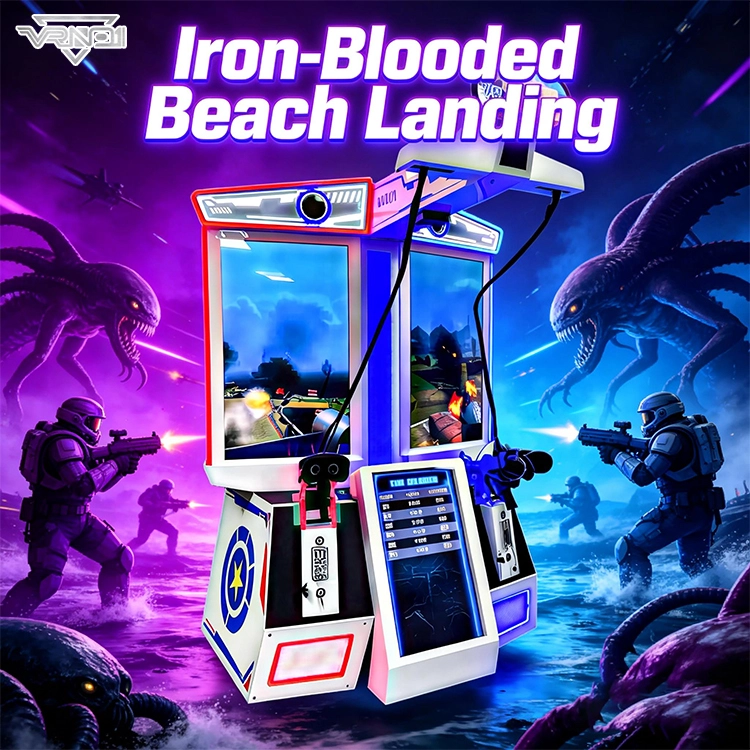
VRN0.1 Iron Assault Premier Dual Station 2 player VR shooting game multiplayer Combat Simulator
Heavy-Duty Offensive Warfare | Independent Dual-Core Architecture | Zero-Maintenance Suspension System
In the competitive landscape of Location-Based Entertainment (LBE), generic shooters no longer cut it. Enter the VR NO.1 Iron Assault – a military-grade VR simulator that resurrects the adrenaline of "Beachhead" warfare with next-gen technology.
Engineered by VR NO.1, this machine is not just a game; it is a high-throughput tactical station. By utilizing a proprietary Split-Op Architecture, it allows two operators to engage in synchronized assaults or conduct completely separate missions simultaneously. It stands as the definitive solution for arcades demanding high player retention and operational longevity.
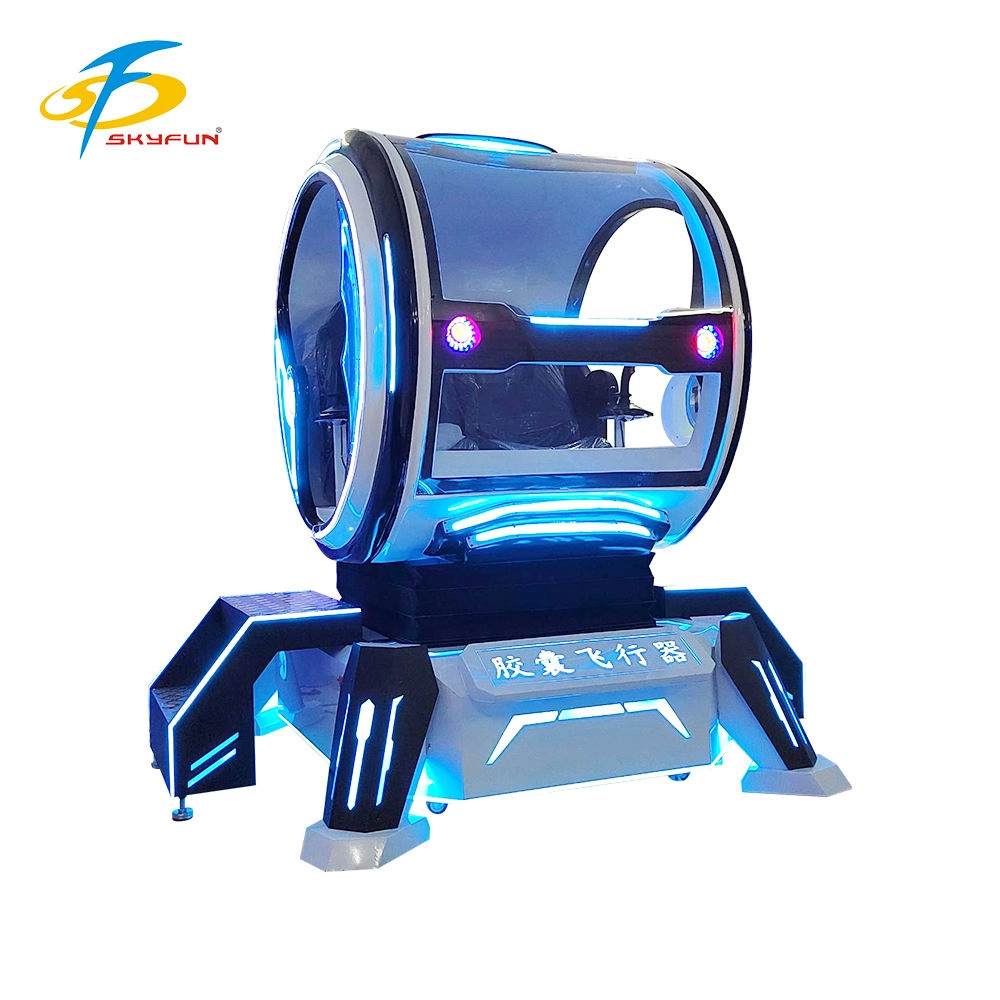
Double Player VR Flight Simulator 100 Movies 15 Games Coin-Operated Game Machine for Shopping Malls Amusement Parks
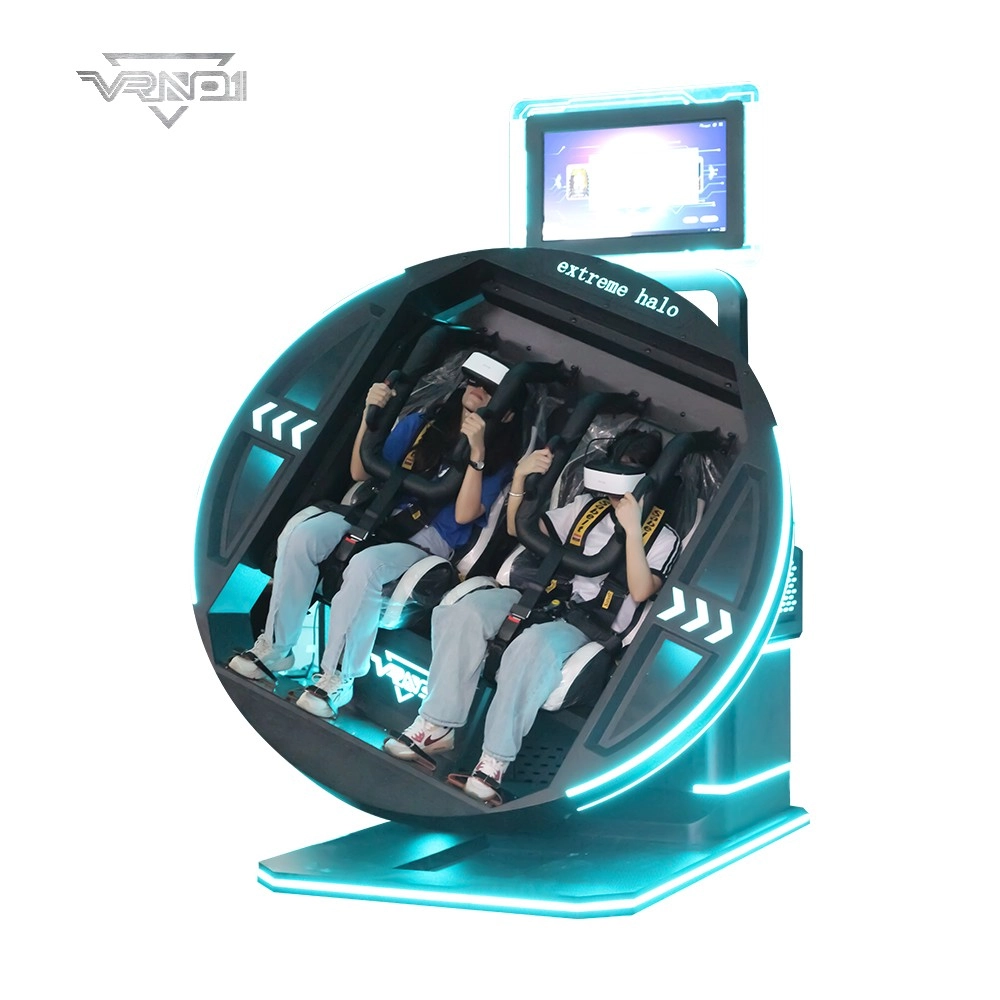
9D VR 360 Roller Coaster Cinema Chair Gaming Set Indoor/Outdoor Business Simulator Hardware for Home or School
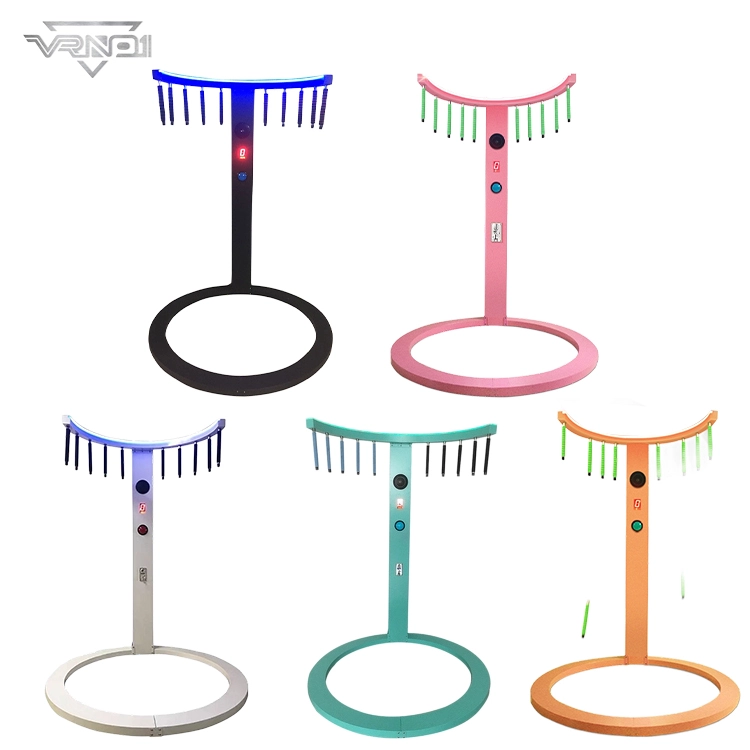
VRN0.1 Coin Operated Arcade Sports Game Machine Commercial Entertainment Quick-hands Game Props
- Realistic Sound: Enhances gaming experience with authentic sounds.
- Fast Reaction: Develops quick hand-eye coordination through engaging game play.
- DIY Kit: Allows for customization and personalization of the baton.
- Metal and Plastic Construction: Durable and robust build quality.
- Coin Operated: Fun for players who enjoy arcade-like experiences.
 Scan QR Code
Whatsapp: +8618127818571
Scan QR Code
Guangzhou Skyfun Technology Co.,Ltd
skyfunvrgame
skyfun game