


Franchising vs Independent VR Arcade Models
- Choosing the Right Business Model for Your VR Venue
- Understanding the searcher intent behind arcade vr and business model decisions
- Market context for arcade vr venues
- Why location-based VR remains a strong commercial opportunity for arcade vr operators
- Franchising model for arcade vr
- What franchising offers arcade vr entrepreneurs
- Franchising pros and cons for arcade vr
- Independent arcade vr business model
- What independence allows arcade vr operators
- Independent model pros and cons for arcade vr
- Financial comparison and investment considerations for arcade vr
- Typical capital, operating costs, and revenue levers for arcade vr ventures
- Operational complexity: staffing, training, and maintenance for arcade vr
- How franchise support vs independent hiring impacts operations
- Equipment & supplier relationships: why your choice matters for arcade vr
- Selecting reliable VR simulators, content, and peripherals
- Legal, contractual and IP considerations for arcade vr franchising
- Key legal checks before signing a franchise agreement
- Decision framework: how to choose between franchising and independence for arcade vr
- A practical checklist to match model to operator profile
- Case study summaries and KPIs to track for arcade vr
- Real-world KPIs to monitor and benchmark for success
- Why partner with an experienced VR supplier like VRN0.1 for arcade vr venues
- How VRN0.1 supports both franchised and independent arcade vr operators
- Competitive advantages and product highlights from VRN0.1 for arcade vr operators
- Operational checklist and go-to-market timeline for your arcade vr
- Step-by-step plan (0–6 months) from concept to opening
- FAQ — Common questions about franchising vs independent arcade vr
- 1. Which model is better if I have no prior entertainment experience?
- 2. Can an independent arcade vr compete with national franchised brands?
- 3. How much should I budget for equipment when opening an arcade vr?
- 4. What are the most profitable revenue streams for arcade vr operators?
- 5. How do I evaluate a franchisor’s claims about unit performance?
- 6. How important is equipment uptime and supplier support?
- Contact and next steps — evaluate options with VRN0.1
- Get a tailored quote and free venue planning consultation
- References and sources
Choosing the Right Business Model for Your VR Venue
Understanding the searcher intent behind arcade vr and business model decisions
People searching for arcade vr typically fall into three groups: entrepreneurs evaluating investment options, venue operators optimizing operations, and manufacturers or suppliers researching partners. This article addresses the first two groups by comparing franchising vs independent arcade vr business models. It aims to help you evaluate capital needs, operational complexity, brand & marketing, supplier relationships, and expected ROI so you can make a fact-based decision suited to your market and skills.
Market context for arcade vr venues
Why location-based VR remains a strong commercial opportunity for arcade vr operators
Location-based entertainment (LBE) — including VR arcades — benefits from social play, large-format experiences, and hardware-based immersion that home VR can’t fully replicate. Global VR and AR market reports show sustained growth in hardware and location-based sectors driven by improving hardware cost-performance and demand for shared experiences (see references). For a new operator, understanding local demand, competing leisure options, and seasonal patterns is essential before choosing franchising or independent paths.
Franchising model for arcade vr
What franchising offers arcade vr entrepreneurs
A franchise brings a packaged brand, proven operating model, marketing systems, supplier agreements, and training. For arcade vr, franchisors often provide standardized equipment bundles, venue layouts, a curated game library, booking systems, and ongoing marketing campaigns. Franchising reduces trial-and-error for first-time operators and accelerates customer trust thanks to a recognized brand.
Franchising pros and cons for arcade vr
Pros: faster market entry, brand recognition, operational playbooks, centralized purchasing, assistance with site selection, and training. Cons: upfront franchise fees, ongoing royalties or marketing levies, limited operational flexibility, dependency on franchisor game/content roadmap, and sometimes higher cost of goods due to mandated suppliers.
Independent arcade vr business model
What independence allows arcade vr operators
Independent operators design their brand identity, curate equipment and content, and control pricing, promotions, and local partnerships. Independence appeals to operators who want creative control, bespoke experiences, and the ability to rapidly pivot offers (e.g., pop-up events, custom arenas, private parties). It can also yield higher margins if procurement and marketing are well executed.
Independent model pros and cons for arcade vr
Pros: full operational control, higher long-term margin potential, flexibility in supplier selection, and the ability to develop unique IP or partnerships. Cons: steeper learning curve, no centralized marketing, higher risk from trial-and-error, and the need to build brand trust locally from scratch.
Financial comparison and investment considerations for arcade vr
Typical capital, operating costs, and revenue levers for arcade vr ventures
Costs vary by location, size, and equipment choices. Key capital items: leasehold improvements, machines/simulators, networking & backend systems, seating/comfort, and initial working capital. Ongoing costs: rent, utilities, staff, maintenance, content licensing, and marketing. Revenue levers: per-play tickets, group packages, F&B, birthday & corporate events, sponsorships, and redemption/merchandise.
| Metric | Franchising (arcade vr) | Independent (arcade vr) |
|---|---|---|
| Initial investment | Typically moderate to high (franchise fee + standardized equipment). Estimated ranges vary by brand and market (see sources). | Variable — from lean pop-ups to full-scale centers. Can be lower if using mixed equipment and staged rollout. |
| Ongoing fees | Royalties and marketing levies (fixed % or minimum monthly fees). | No royalties; all marketing and systems borne locally. |
| Brand & marketing | National/regional campaigns and brand recognition included. | Requires investment to build local brand; can be highly targeted. |
| Operational support | Structured training, documented SOPs, centralized procurement. | Self-built SOPs and supplier relationships; higher initial operational risk. |
| Flexibility & innovation | Limited by franchisor rules, slower to change. | High — can trial new content, pricing, formats quickly. |
| Typical ROI timeframe | Often 2–4 years depending on fees and market. | Can be shorter or longer depending on execution; greater variance. |
Note: The ranges above are industry-informed summaries. Refer to the references and local market studies to refine numbers for your city and format.
Operational complexity: staffing, training, and maintenance for arcade vr
How franchise support vs independent hiring impacts operations
Franchisors usually provide standardized training curricula and periodic refresher materials that simplify hiring and onboarding. They often include remote diagnostics tools and maintenance contracts with approved suppliers. Independents must source training providers, establish maintenance routines, and build supplier relationships; however, this can lead to better negotiated service terms over time if you consolidate multiple units or partner with a reliable manufacturer.
Equipment & supplier relationships: why your choice matters for arcade vr
Selecting reliable VR simulators, content, and peripherals
Hardware reliability, spare-part availability, and software update cadence directly affect uptime and guest satisfaction. Whether franchised or independent, choose suppliers with proven R&D, strict quality control, and responsive support. For independent operators, diversify suppliers to avoid single-source risk. For franchisees, review franchisor procurement terms to ensure parts and support are included at reasonable cost.
Legal, contractual and IP considerations for arcade vr franchising
Key legal checks before signing a franchise agreement
Always perform legal due diligence: review disclosure documents, trademark usage, territorial exclusivity, contract exit terms, and obligations for upgrades or mandated equipment purchases. Understand who owns customer data and the implications for loyalty programs and CRM. Consult a franchise attorney and request performance benchmarks from the franchisor (e.g., typical revenues of comparable units).
Decision framework: how to choose between franchising and independence for arcade vr
A practical checklist to match model to operator profile
Consider the following questions: Do you have prior F&B/entertainment experience? Is brand recognition critical in your target market? How much capital vs managerial time can you commit? Is creative control important? Use this matrix: less experience + need for fast ramp = franchising; experience + desire for differentiation = independent. Also weigh scalability: franchising often eases multi-site rollouts under the same brand, while independents can scale as a local boutique chain with differentiated offerings.
Case study summaries and KPIs to track for arcade vr
Real-world KPIs to monitor and benchmark for success
Track metrics such as revenue per available station-hour (RevPAH), average ticket value, conversion rates from walk-ins to bookings, monthly customer retention, group vs individual revenue mix, and maintenance uptime. Compare your KPIs against local entertainment benchmarks and historical data from franchisors (if available). Continuous measurement accelerates decision-making on pricing, opening hours, and promotional tactics.
Why partner with an experienced VR supplier like VRN0.1 for arcade vr venues
How VRN0.1 supports both franchised and independent arcade vr operators
VRN0.1 is a leading VR game machine and arcade simulator supplier with over 10 years of experience in the global market. Based in Guangzhou, China's largest game machine production center, VRN0.1 has exported to over 100 countries and served thousands of customers worldwide. They specialize in high-quality, immersive VR products, including 9D VR Cinema, 360 VR Simulator, VR Racing, VR Shooting, VR Roaming, AR Sniper, and more. VRN0.1 offers OEM/ODM services, one-stop VR venue solutions, and free training for equipment and operation, which benefits both franchisees who need standardized hardware and independents who want tailored equipment configurations.
Competitive advantages and product highlights from VRN0.1 for arcade vr operators
Key strengths: a diverse product line that covers mainstream arcade vr categories (VR Simulator, Arcade game simulator, VR car driving simulator, Interactive Platform VR, Racing Game Machine, AR Sniper, Kiddie Ride, 7D Cinema), a strong R&D team, strict quality control, and 24/7 customer support. VRN0.1 also provides venue planning and operational strategy support, allowing operators to optimize machine mix and layout to local demand. These capabilities reduce procurement risk and accelerate venue opening — crucial for franchised rollouts and independent startups alike.
Operational checklist and go-to-market timeline for your arcade vr
Step-by-step plan (0–6 months) from concept to opening
1) Market validation and financial model; 2) Choose model: franchise vs independent; 3) Secure site and negotiate lease; 4) Confirm equipment list and procurement lead times with supplier (e.g., VRN0.1); 5) Build-out and install systems; 6) Hire and train staff; 7) Soft opening with targeted local marketing; 8) Full opening and KPI monitoring. Typical lead times vary, but equipment manufacturing and shipping can take 8–12 weeks for custom orders—plan accordingly.
FAQ — Common questions about franchising vs independent arcade vr
1. Which model is better if I have no prior entertainment experience?
Franchising is generally better for first-time operators because it provides established SOPs, training, and brand marketing. However, review franchisor performance data and contractual terms carefully.
2. Can an independent arcade vr compete with national franchised brands?
Yes—by focusing on unique experiences, local partnerships, targeted marketing, and superior service. Independents can outperform larger brands in guest experience and flexibility, especially in niche or underserved markets.
3. How much should I budget for equipment when opening an arcade vr?
Budgets vary widely. Small-scale pop-ups can start with a modest spend; full-scale centers require higher capital. Consult suppliers (like VRN0.1) for tailored quotes and expected lead times. Always include spare parts and maintenance in your budget.
4. What are the most profitable revenue streams for arcade vr operators?
Ticket sales, private events (birthdays/corporate), group bookings, F&B add-ons, and merchandise. High-margin add-ons (merch, food, private bookings) significantly improve profitability.
5. How do I evaluate a franchisor’s claims about unit performance?
Request Item 19 (or equivalent performance data) in the franchisor’s disclosure documents, ask for contact information of existing franchisees, and perform site visits. Consult an experienced franchise attorney for contract review.
6. How important is equipment uptime and supplier support?
Critical. Downtime reduces revenue and damages reputation. Choose suppliers with proven R&D, spare-part availability, remote diagnostic tools, and fast service — VRN0.1 emphasizes strict quality control and 24/7 support to minimize downtime.
Contact and next steps — evaluate options with VRN0.1
Get a tailored quote and free venue planning consultation
If you are evaluating franchise offers or planning an independent arcade vr venue, contact VRN0.1 to discuss equipment packages, venue planning, and free operational training. Their experience across 100+ countries and full product range (VR Simulator, Arcade game simulator, VR car driving simulator, Interactive Platform VR, Racing Game Machine, AR Sniper, Kiddie Ride, 7D Cinema) makes them a practical partner whether you choose franchising or independence.
Visit https://www.vrarcadegame.com/ to request a quote, view product catalogs, or schedule a consultation.
References and sources
- Grand View Research — Virtual Reality Market Size & Trends. Available: https://www.grandviewresearch.com/industry-analysis/virtual-reality-vr-market (accessed 2025-06-01).
- Statista — Virtual Reality (VR) topic overview. Available: https://www.statista.com/topics/2532/virtual-reality-vr/ (accessed 2025-06-01).
- IBISWorld — Arcade Game Centers Industry in the US. Available: https://www.ibisworld.com/united-states/market-research-reports/arcade-game-centers-industry/ (accessed 2025-06-01).
- Federal Trade Commission — FTC Guidance on Franchising and Franchise Rule. Available: https://www.ftc.gov/business-guidance/resources/complying-franchise-rule (accessed 2025-06-01).
- Wikipedia — Franchising (overview of franchise business model). Available: https://en.wikipedia.org/wiki/Franchising (accessed 2025-06-01).
- VRN0.1 Official Website — Company and product information. Available: https://www.vrarcadegame.com/ (accessed 2025-06-01).
How a Boxing Arcade Game Machine Can Boost Entertainment Venues in 2025
Top 5 9D VR Egg Cinema Manufacturers to Watch
How to Host VR Shooting Tournaments and Events
What are the application scenarios of 9d vr egg chair?
Distributors
What are the unique features of VRNO.1's products?
VRNO.1's VR equipment uses the latest technology to provide excellent immersion and interactivity. Our equipment is uniquely designed to meet global market needs and undergoes strict quality control to ensure long-term reliability of each device.
What support does VRNO.1 provide after becoming a dealer?
We provide full support to dealers, including sales training, marketing materials, technical support and after-sales service. Our goal is to help you sell and operate our products successfully.
Solution
What types of venues does VRNO.1's VR device support?
Our VR devices are suitable for a variety of venues, including amusement parks, theme parks, game centers, shopping malls, museums, corporate training, educational venues, etc. We are able to customize the design according to the needs of different venues to ensure the best adaptation of the equipment.
Does VRNO.1 provide customized development of VR game content?
Yes, VRNO.1 provides customized development services for game content. We can customize specific types of games according to your needs to enhance the user experience. Customized content can include game themes, scenes, interactive functions, etc. to meet different market needs.
Products
Do you offer support and training for using VRNO.1’s VR systems?
Yes, we provide comprehensive support and training for all our VR products, ensuring that your staff is fully equipped to operate and maintain the systems.
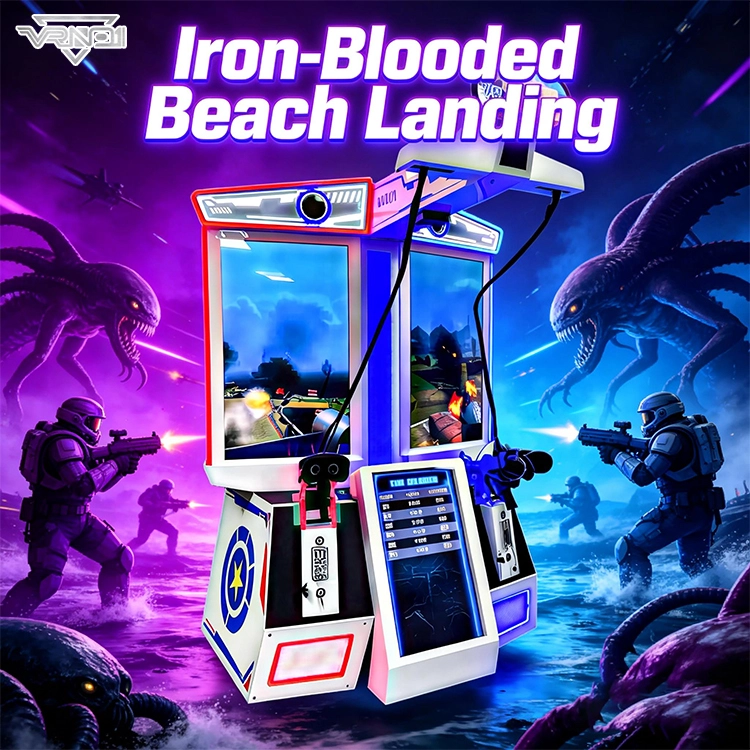
VRN0.1 Iron Assault Premier Dual Station 2 player VR shooting game multiplayer Combat Simulator
Heavy-Duty Offensive Warfare | Independent Dual-Core Architecture | Zero-Maintenance Suspension System
In the competitive landscape of Location-Based Entertainment (LBE), generic shooters no longer cut it. Enter the VR NO.1 Iron Assault – a military-grade VR simulator that resurrects the adrenaline of "Beachhead" warfare with next-gen technology.
Engineered by VR NO.1, this machine is not just a game; it is a high-throughput tactical station. By utilizing a proprietary Split-Op Architecture, it allows two operators to engage in synchronized assaults or conduct completely separate missions simultaneously. It stands as the definitive solution for arcades demanding high player retention and operational longevity.
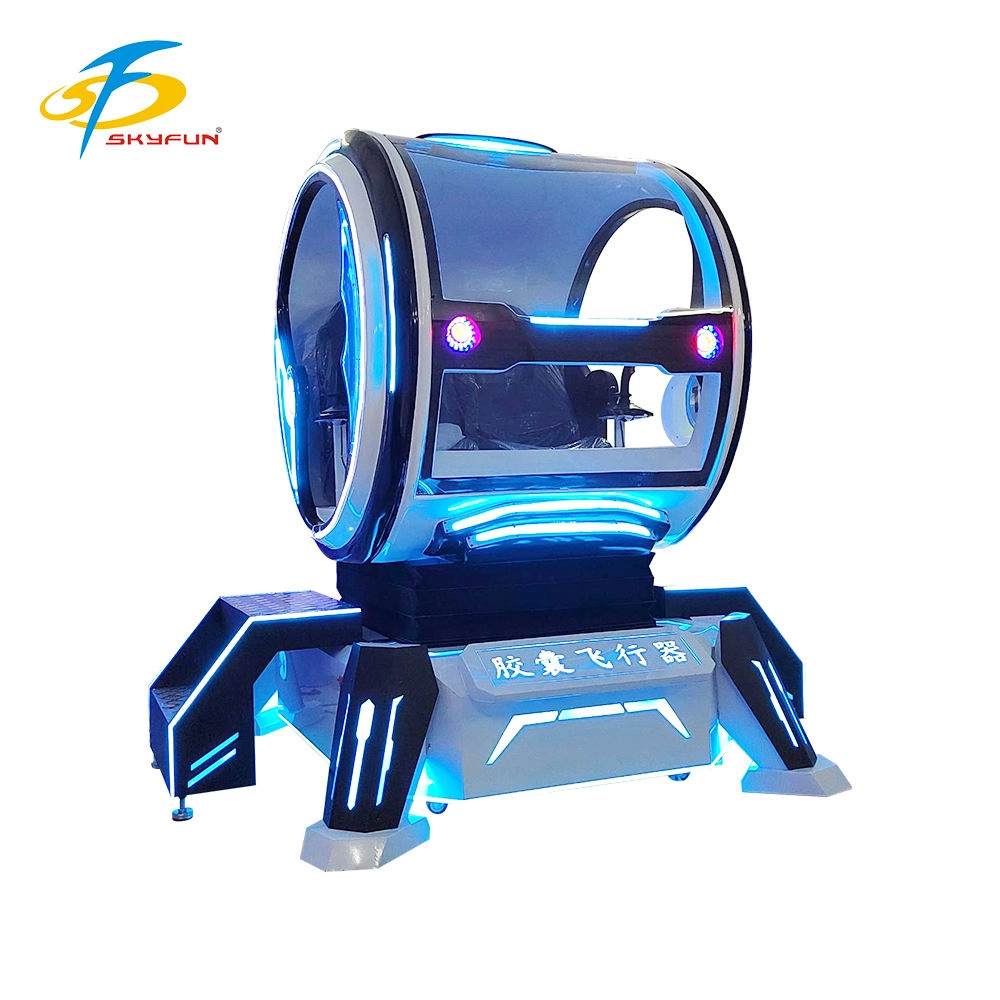
Double Player VR Flight Simulator 100 Movies 15 Games Coin-Operated Game Machine for Shopping Malls Amusement Parks
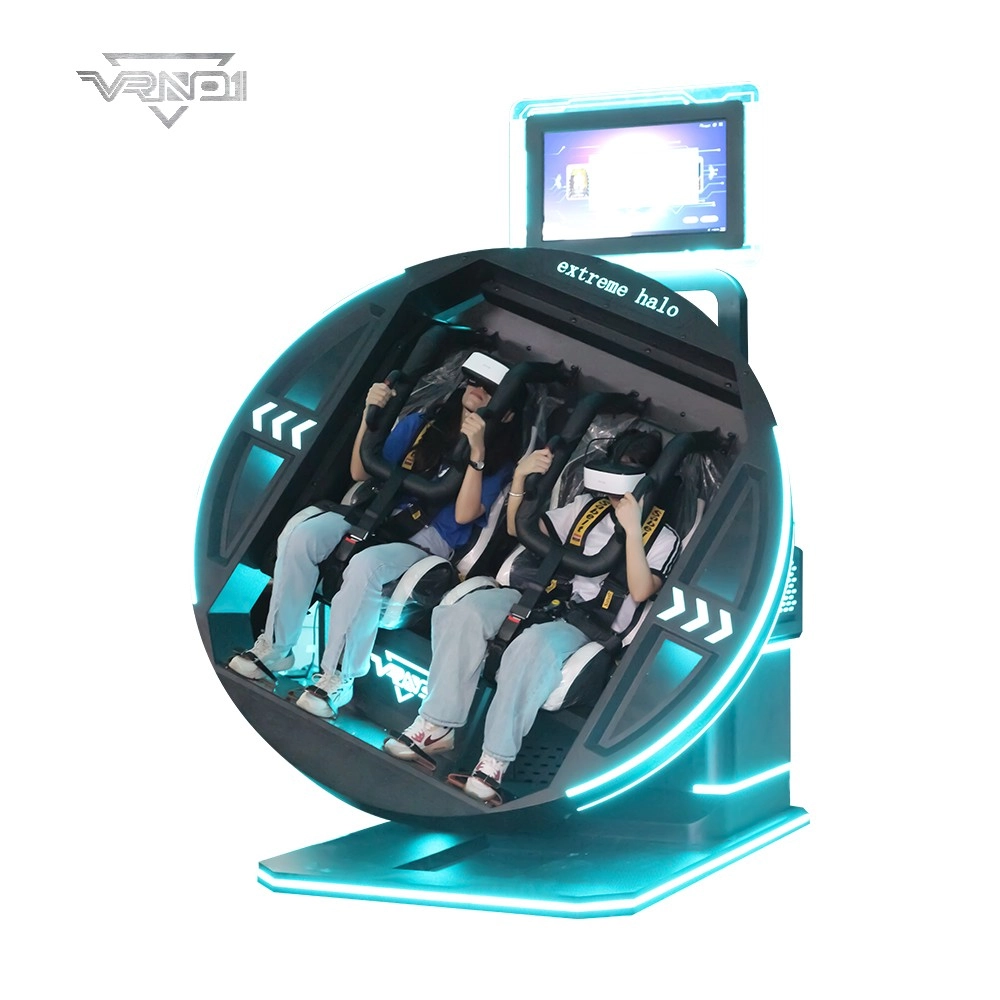
9D VR 360 Roller Coaster Cinema Chair Gaming Set Indoor/Outdoor Business Simulator Hardware for Home or School
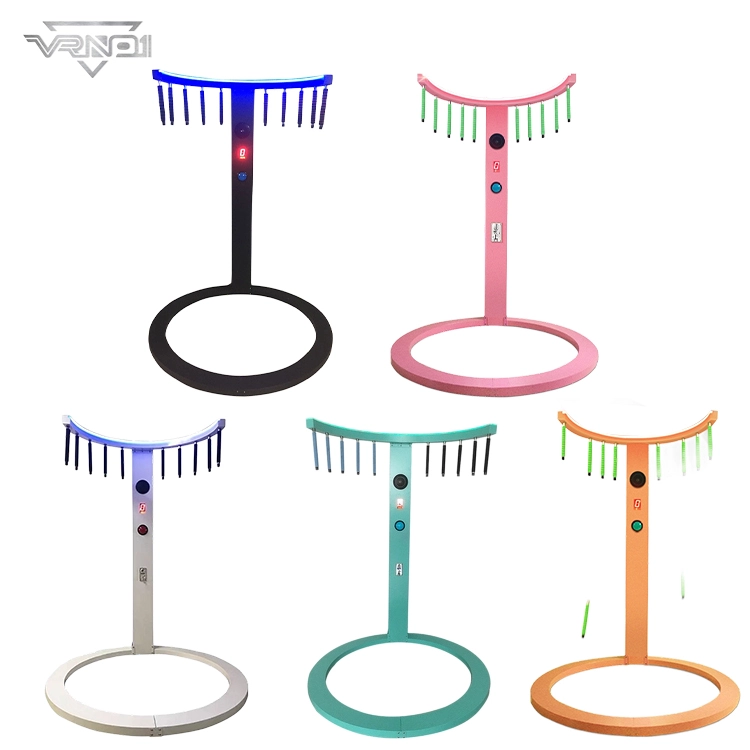
VRN0.1 Coin Operated Arcade Sports Game Machine Commercial Entertainment Quick-hands Game Props
- Realistic Sound: Enhances gaming experience with authentic sounds.
- Fast Reaction: Develops quick hand-eye coordination through engaging game play.
- DIY Kit: Allows for customization and personalization of the baton.
- Metal and Plastic Construction: Durable and robust build quality.
- Coin Operated: Fun for players who enjoy arcade-like experiences.
 Scan QR Code
Whatsapp: +8618127818571
Scan QR Code
Guangzhou Skyfun Technology Co.,Ltd
skyfunvrgame
skyfun game