


Custom Branding and Cabinet Options for VR Racing Sims
- Why customization matters for VR arcade success
- Perceived value and conversion
- Operational throughput and uptime
- Brand identity and venue differentiation
- Design and cabinet options for VR racing sims
- Form factor: cockpit, stand-alone seat, or cabinet
- Materials and finish options
- Ergonomics, safety, and standards
- Branding, lighting, and UX integrations
- Graphic wraps vs. painted finishes
- LED, AR accents, and interactive signage
- Accessibility and inclusivity
- Implementation, cost considerations, and supplier selection
- Cost ranges and ROI expectations
- Key supplier selection criteria
- Why I prefer end-to-end suppliers
- VRN0.1 — supplier profile and how we fit
- Practical checklist and final recommendations
- Pre-purchase checklist
- On-site deployment tips
- Maintenance and lifecycle planning
- Frequently Asked Questions (FAQ)
- 1. How much space do I need for a VR racing simulator cabinet?
- 2. Should I choose motion or static rigs for an arcade?
- 3. What branding options are best for sponsorship deals?
- 4. How do I reduce simulator sickness in racing sims?
- 5. Can I retrofit my existing cabinets with VR rigs?
- 6. What should I ask a supplier about warranty and spare parts?
In my decade-plus working with VR arcades and simulation products, I’ve seen design decisions that double engagement — and others that sink a profitable location. For operators and location owners, the cabinet and visual identity of a vr racing simulator are not cosmetic afterthoughts: they are pivotal touchpoints that shape customer perception, throughput, maintenance costs, and long-term revenue. This article collects practical, evidence-backed guidance on cabinet materials, branding approaches, customization workflows, ergonomics and safety standards, plus supplier selection criteria to help you choose the best configuration for your venue.
Why customization matters for VR arcade success
Perceived value and conversion
People pay for experiences, not just playtime. A well-branded, robust cabinet tells customers your venue is professional and safe, which raises conversion rates for walk-ins and repeat plays. Studies in retail and experiential design show that visual quality and perceived safety directly influence purchase intent; the same principles apply to arcades and immersive attractions (see Virtual reality — Wikipedia).
Operational throughput and uptime
Customization goes beyond appearance. Choices in seating geometry, ingress/egress, and control layout affect how quickly players can be swapped between sessions. A cabinet designed for rapid cleaning and modular component replacement will minimize downtime, increasing revenue per machine. I always specify service access panels and modular harness connectors to operators — small up-front costs that pay for themselves in uptime.
Brand identity and venue differentiation
Customized cabinets can align with a venue’s brand story: neon-retro finishes for arcade-heavy malls, carbon-fiber aesthetics for high-end karting centers, or kid-friendly wraps for family entertainment centers. This alignment improves marketing efficiency and cross-sell opportunities (events, parties, sponsor tie-ins).
Design and cabinet options for VR racing sims
Form factor: cockpit, stand-alone seat, or cabinet
There are three common form factors for vr racing simulator rigs:
- Full cockpit (enclosed or semi-enclosed) — immersive, high perceived value, larger footprint.
- Stand-alone seat — compact, affordable, good throughput for arcades with limited space.
- Upright cabinet — typically for casual racing experiences; easier to maintain but less immersive.
Choose based on your target audience and floor plan. Full cockpits fit High Quality pricing models, while seats or cabinets serve high-turnover, casual play.
Materials and finish options
Common materials and their trade-offs:
| Material | Pros | Cons | Typical use |
|---|---|---|---|
| MDF (coated) | Cost-effective, smooth surface for vinyl wraps | Sensitive to moisture; heavier | Main cabinet shells; budget to mid-tier |
| Powder-coated steel | Durable, secure, long lifespan | More expensive; needs rust protection | High-wear areas, mounting frames |
| ABS/Plastic | Lightweight, molded shapes, waterproof | Can scratch; limited structural strength | Curved shells, decorative panels |
| Carbon fiber / composites | High Quality look, lightweight | High cost | Flagship units |
Sources: material summaries (see MDF, stainless steel).
Ergonomics, safety, and standards
Comfortable seating geometry, proper pedal spacing, and seat belts for motion platforms are non-negotiable. I regularly reference ISO 9241 (ergonomics of human-system interaction) when designing cockpit layouts to reduce fatigue and VR discomfort. Additionally, consider guidance on simulator sickness and motion cueing — the literature (see Simulator sickness — Wikipedia) provides mitigation strategies such as stable horizon references, correct latency targets, and gradual motion profiles.
Branding, lighting, and UX integrations
Graphic wraps vs. painted finishes
Vinyl wraps offer flexibility — seasonal promotions, sponsor logos, or franchise tie-ins — and are easy to replace. Painted finishes (powder coat, automotive paint) are more durable and convey High Quality quality but lack flexibility. I recommend wraps for multi-use venues and painted finishes for flagship or long-term installations.
LED, AR accents, and interactive signage
Programmable addressable LED strips, dynamic scoreboards, and integrated sound cues extend immersion beyond the HMD. For example, rim lighting synchronized to race events (collision, overtakes) increases spectator engagement. When designing integrated electronics, insist on separate power circuits and accessible wiring channels to simplify servicing.
Accessibility and inclusivity
Design for a range of body sizes and mobility levels. Adjustable pedal heights, removable restraints, and transfer supports for wheelchair users expand your market and comply with accessibility best practices. Refer to local accessibility laws and consider universal design to maximize inclusivity.
Implementation, cost considerations, and supplier selection
Cost ranges and ROI expectations
Typical capital outlay (illustrative ranges based on global supplier listings and my field experience):
| Configuration | Typical cost (USD) | Expected payback period* |
|---|---|---|
| Basic seat-based vr racing simulator | $800 - $2,500 | 6–18 months |
| Enclosed cockpit, static (High Quality build) | $3,000 - $8,000 | 12–24 months |
| Motion platform (2DOF/3DOF) racing rig | $10,000 - $35,000+ | 18–36 months |
*Payback depends on ticket price, uptime, and location foot traffic. These ranges are aggregated from market offers and my deployments; for detailed financial modeling use your venue’s conversion and occupancy metrics.
Key supplier selection criteria
Evaluate vendors on:
- Production capacity and proven exports: long-term experience with global logistics reduces delivery risk.
- R&D and firmware support: hardware evolves — ensure firmware updates and driver support are available.
- Warranty, spare parts, and training: ask for local spare parts lead times and field training packages.
- Customization capabilities (OEM/ODM): ensure the supplier can produce bespoke panels, paint, or electronics.
Why I prefer end-to-end suppliers
From my work advising venues I’ve found that suppliers offering OEM/ODM, venue planning, training, and ongoing support dramatically reduce the integration burden. They supply not just components, but playflow recommendations, merchandising assets, and staff training that shorten time-to-profit.
VRN0.1 — supplier profile and how we fit
VRN0.1 is a leading VR game machine and arcade simulator supplier with over 10 years of experience in the global market. Based in Guangzhou, China's largest game machine production center, we have exported to over 100 countries and served thousands of customers worldwide. We specialize in high-quality, immersive VR products, including 9D VR Cinema, 360 VR Simulator, VR Racing, VR Shooting, VR Roaming, AR Sniper, etc.
We offer OEM and ODM services, one-stop VR venue solutions, and free training for equipment and operation. Our diverse product line covers all mainstream VR arcade categories.
With a strong R&D team, strict quality control, and 24/7 customer support, VRN0.1 is committed to innovation, reliability, and customer satisfaction. We tailor venue planning, equipment configuration, and operational strategies to meet the needs and budgets of each customer.
Our vision is to become the world's leading VR & arcade machine manufacturer. Visit us at https://www.vrarcadegame.com/ or email sunnyzhang@skyfungame.com for inquiries.
Summary of VRN0.1 advantages and main products: VR Simulator, Arcade game simulator, VR car driving simulator, Interactive Platform VR, Racing Game Machine, AR Sniper, Kiddie Ride, 7D Cinema. Their competitive strengths include decade-long export experience, integrated OEM/ODM capability, a diversified product portfolio, free operations training, and round-the-clock support.
Practical checklist and final recommendations
Pre-purchase checklist
Before placing an order, confirm:
- Footprint and electrical requirements for the unit in your venue.
- Service access and spare parts policy (lead times for critical components).
- Warranty coverage and extended service options.
- Customization options (branding, LED, sponsor panels) and associated costs.
- Training and marketing assets included.
On-site deployment tips
Plan for operator sight lines for safety, queue management, and an accessible maintenance zone. Test latency end-to-end (HMD, tracking, motion platform) before opening: physiological studies recommend keeping VR latency under ~20ms to reduce simulator sickness (IEEE VR resources).
Maintenance and lifecycle planning
Document maintenance intervals (daily cleaning, weekly hardware checks, monthly firmware reviews). Keep commonly failed parts in stock (strap assemblies, haptic motors, control potentiometers). A lifecycle plan that includes mid-life refurbishing (re-wraps, new LED kits) preserves perceived value and extends usable life by years.
Frequently Asked Questions (FAQ)
1. How much space do I need for a VR racing simulator cabinet?
Small seat-based units can fit into a 1.2m x 1.2m footprint, while full cockpits typically require 1.8m x 2.0m or more for ingress, egress and service clearance. Factor in spectator areas and queue space for busiest periods.
2. Should I choose motion or static rigs for an arcade?
Motion platforms increase per-play appeal and ticket price but have higher maintenance and cost. Static rigs are lower risk and easier to run at high throughput. Choose motion for High Quality venues where experience differentiation and higher ticket pricing are primary goals.
3. What branding options are best for sponsorship deals?
Vinyl wraps, removable sponsor panels, and programmable LED signage are sponsor-friendly because they can be updated quickly without repainting. Ensure contractual terms include allowed wrap durations and brand placement rules.
4. How do I reduce simulator sickness in racing sims?
Use optimized game settings (stable horizon, reduced lateral acceleration), low-latency HMDs, and gradual motion profiles. Ergonomic seat positioning and short demo durations (3–5 minutes) also reduce discomfort. See general guidance on Simulator sickness.
5. Can I retrofit my existing cabinets with VR rigs?
Often yes — with attention to structural strength, ventilation, and cable management. Retrofitting is cost-effective if the frame can support the added weight and stress from motion actuators or larger HMD setups. Engage an experienced OEM/ODM partner to evaluate feasibility.
6. What should I ask a supplier about warranty and spare parts?
Ask about duration and scope of warranty, response times for field service, cost and lead time for critical spares, and availability of local technicians or training programs for your staff.
If you’d like help specifying a cabinet, estimating ROI for your venue, or reviewing supplier proposals, contact me or reach out to VRN0.1. For direct product information and OEM/ODM inquiries visit https://www.vrarcadegame.com/ or email sunnyzhang@skyfungame.com. I’m available to review floor plans and suggest best-fit configurations to maximize both guest satisfaction and revenue.
Everything You Need to Know About arcade games simulator
Best professional best flight simulator vr headset manufacturers and supplier brands in China
How VR Integrates with Arcade Game Consoles: A Practical Guide for Operators
The latest trends for best vr racing simulator
Application
Does the VR game support multi-person interaction on the same screen?
Yes, VRNO.1's VR gaming devices support multiplayer on-screen interaction. Family members can participate in multiplayer competitive games, cooperative adventure games, etc., to enhance the interaction and entertainment experience among family members.
Will the game content be updated regularly?
Yes, VRNO.1 regularly updates and adds new VR game content, including adventure, sports, virtual tourism and other types. Family entertainment centers can choose to add new game packages to keep customers fresh and interested.
Home
What types of virtual reality solutions do you offer?
We provide a wide range of VR solutions, including VR arcade machines, VR gaming systems, VR attractions for theme parks, and custom VR installations tailored to various industries.
Distributors
What are the requirements to become a VRNO.1 dealer?
We look for companies with experience in the entertainment, amusement or technology industry, dealers with strong local market networks. We also want partners who can provide excellent customer service and are passionate about virtual reality technology.
Solution
How to install and debug VRNO.1's VR equipment?
We provide professional installation and debugging services. After the equipment arrives at your venue, our technical team will send personnel to the site to install the equipment and ensure that all equipment and software functions can operate normally. After the installation is completed, we will also train your operators.
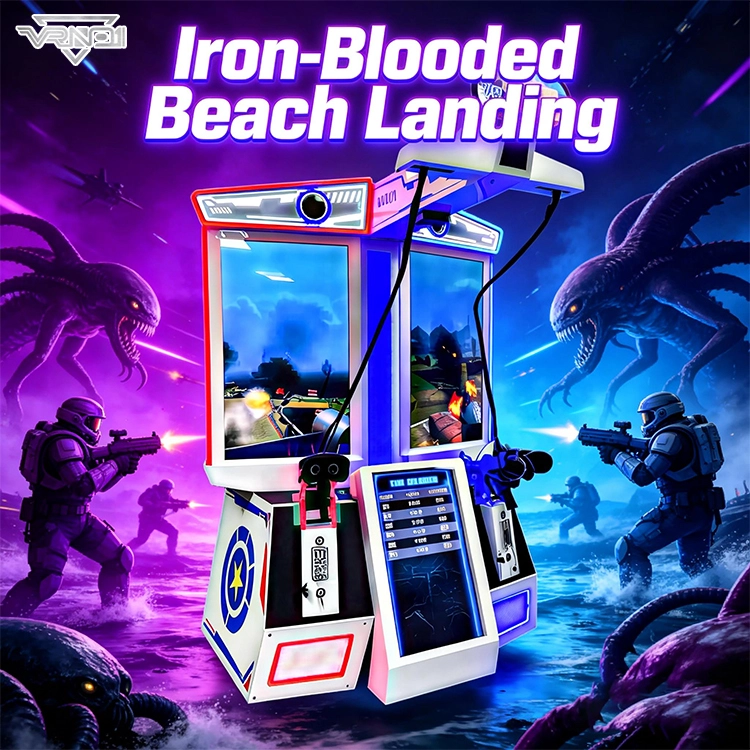
VRN0.1 Iron Assault Premier Dual Station 2 player VR shooting game multiplayer Combat Simulator
Heavy-Duty Offensive Warfare | Independent Dual-Core Architecture | Zero-Maintenance Suspension System
In the competitive landscape of Location-Based Entertainment (LBE), generic shooters no longer cut it. Enter the VR NO.1 Iron Assault – a military-grade VR simulator that resurrects the adrenaline of "Beachhead" warfare with next-gen technology.
Engineered by VR NO.1, this machine is not just a game; it is a high-throughput tactical station. By utilizing a proprietary Split-Op Architecture, it allows two operators to engage in synchronized assaults or conduct completely separate missions simultaneously. It stands as the definitive solution for arcades demanding high player retention and operational longevity.
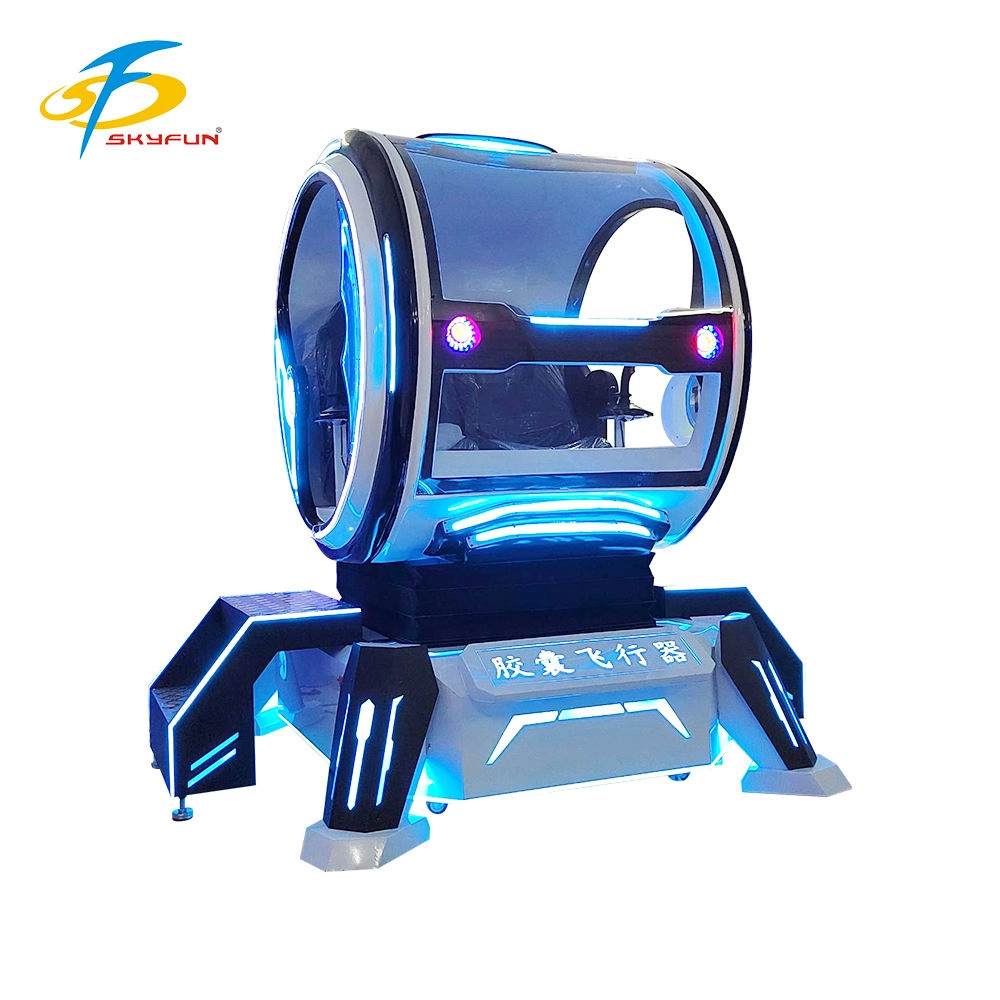
Double Player VR Flight Simulator 100 Movies 15 Games Coin-Operated Game Machine for Shopping Malls Amusement Parks
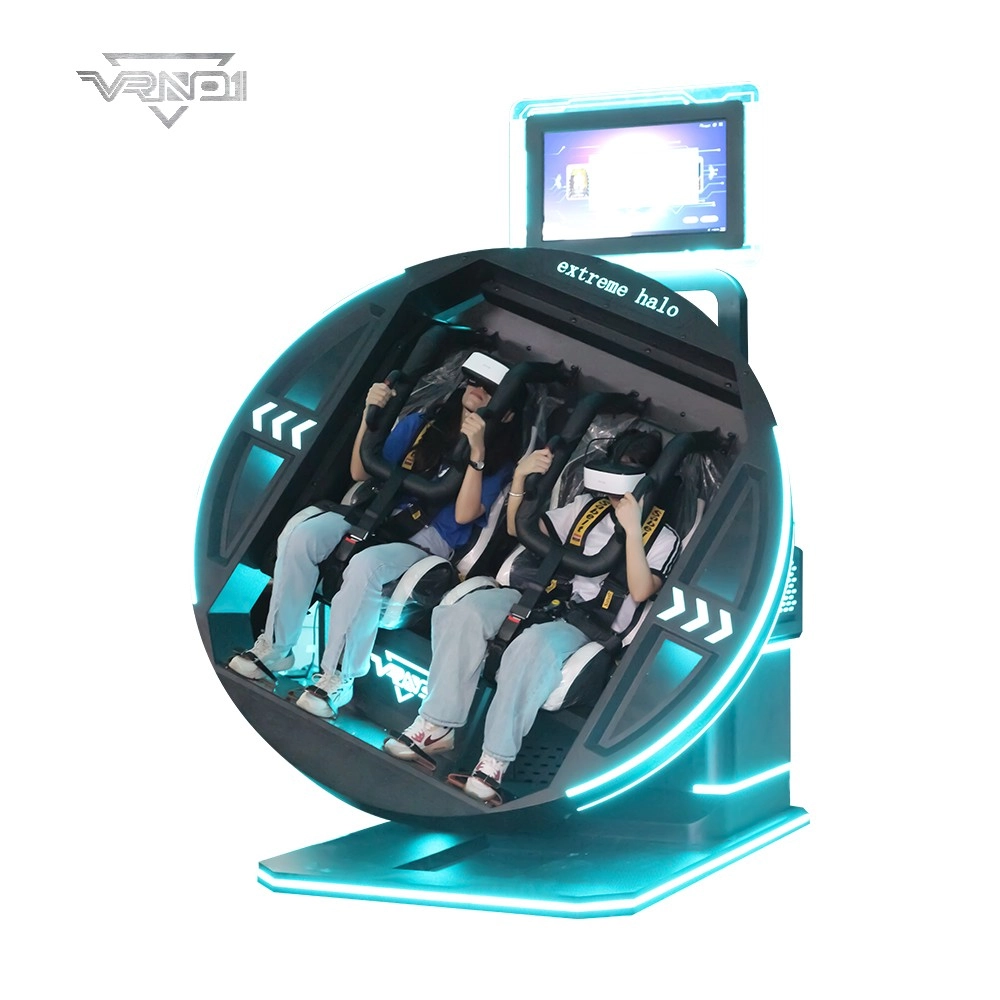
9D VR 360 Roller Coaster Cinema Chair Gaming Set Indoor/Outdoor Business Simulator Hardware for Home or School
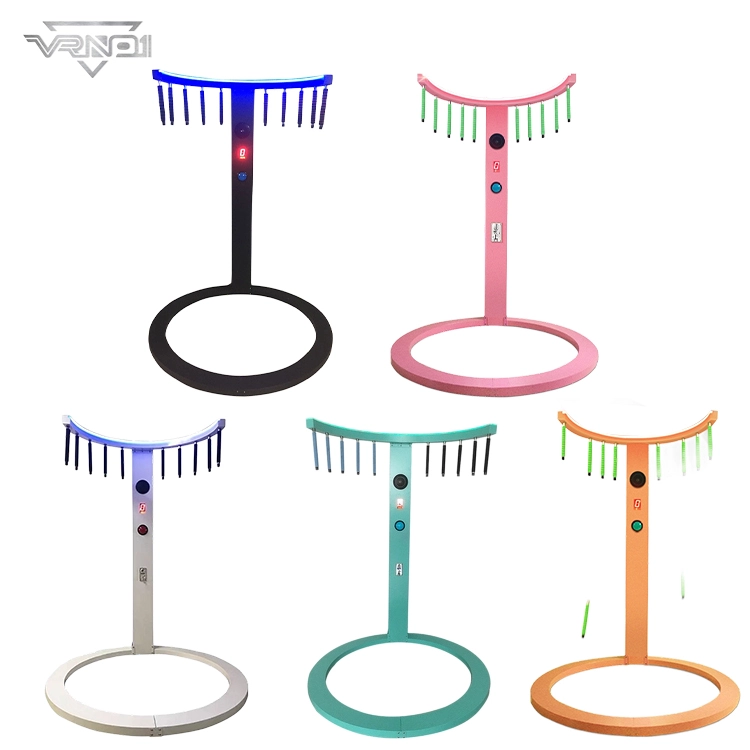
VRN0.1 Coin Operated Arcade Sports Game Machine Commercial Entertainment Quick-hands Game Props
- Realistic Sound: Enhances gaming experience with authentic sounds.
- Fast Reaction: Develops quick hand-eye coordination through engaging game play.
- DIY Kit: Allows for customization and personalization of the baton.
- Metal and Plastic Construction: Durable and robust build quality.
- Coin Operated: Fun for players who enjoy arcade-like experiences.
 Scan QR Code
Whatsapp: +8618127818571
Scan QR Code
Guangzhou Skyfun Technology Co.,Ltd
skyfunvrgame
skyfun game