


Contratos de mantenimiento y garantías para máquinas recreativas de realidad virtual
- Por qué el mantenimiento y las garantías son importantes para la realidad virtual basada en la ubicación
- Continuidad del negocio, tiempo de actividad y protección de los ingresos
- Seguridad, responsabilidad y experiencia del cliente
- Tipos de contratos de mantenimiento para máquinas recreativas de realidad virtual
- Mantenimiento preventivo, predictivo y reactivo
- Acuerdos de Nivel de Servicio (SLA): qué negociar
- Diseño de una cobertura de garantía eficaz para máquinas recreativas de realidad virtual
- Garantía estándar vs. cobertura extendida
- ¿Qué garantías deben incluir o excluir explícitamente?
- Costo-beneficio: comparar opciones de contrato y elegir un proveedor
- Tabla comparativa de contratos
- Lista de verificación de evaluación de proveedores
- Métricas del mundo real y qué esperar
- Operacionalización de contratos y garantías: mejores prácticas
- Incorporación, documentación y formación
- Mantenimiento basado en datos y gobernanza del firmware
- Estrategia de inventario y repuestos
- Socio destacado: VRN0.1: capacidades de proveedores y servicios
- Preguntas frecuentes (FAQ)
- 1. ¿Qué duración de garantía debo exigir para las máquinas recreativas de realidad virtual comerciales?
- 2. ¿Los consumibles como la espuma de los auriculares están cubiertos por la garantía?
- 3. ¿Debo utilizar el servicio OEM o técnicos externos?
- 4. ¿Con qué rapidez debe responder un proveedor cuando una atracción no funciona?
- 5. ¿Qué costos debo presupuestar anualmente para garantía y mantenimiento?
- 6. ¿Es posible gestionar actualizaciones periódicas de firmware bajo garantía?
- Contacto y próximos pasos
- Referencias
Por qué el mantenimiento y las garantías son importantes para la realidad virtual basada en la ubicación
Continuidad del negocio, tiempo de actividad y protección de los ingresos
Para los operadores de máquinas recreativas de realidad virtual (RV), el tiempo de funcionamiento está directamente relacionado con los ingresos. Un módulo de carreras de RV o una unidad móvil defectuosa puede costar decenas de entradas al día, minar la confianza de los clientes y aumentar los gastos de personal para la resolución de problemas. A diferencia de la electrónica de consumo, la RV basada en la ubicación (RBU) depende de una rápida respuesta entre sesiones y de una fiabilidad constante del hardware; por lo tanto, un contrato de mantenimiento y una estructura de garantía claros son una herramienta tanto para controlar los ingresos como para el aspecto técnico.
Seguridad, responsabilidad y experiencia del cliente
Las salas de juegos de realidad virtual (RV) suponen un riesgo para la seguridad y la reputación si fallan los visores, arneses, plataformas de movimiento o sistemas de seguimiento. Las garantías y los contratos de mantenimiento definen la responsabilidad de las comprobaciones críticas para la seguridad (integridad de los cables, desgaste de los arneses, calibración de la plataforma) y pueden reducir los riesgos legales y los costes de seguro. Unos programas de servicio bien planificados también protegen la experiencia del cliente: imágenes consistentes, baja latencia y movimiento predecible reducen las quejas por mareos y aumentan la recurrencia de las visitas.
Tipos de contratos de mantenimiento para máquinas recreativas de realidad virtual
Mantenimiento preventivo, predictivo y reactivo
Los contratos de mantenimiento generalmente se dividen en tres categorías:
- Mantenimiento preventivoInspecciones programadas, actualizaciones de firmware, calibración y limpieza de ópticas y sensores. Reduce tiempos de inactividad inesperados.
- Mantenimiento predictivoUtiliza la monitorización de condiciones (registros de errores, telemetría de sensores) para pronosticar fallos. Requiere equipos con capacidad de telemetría y un proceso de datos.
- Reactivo (romper/arreglar)Reparación de guardia tras avería. Costos fijos más bajos, pero mayor tiempo de inactividad y tarifas de emergencia variables.
La elección de una combinación depende de la escala del lugar: las salas de juego con una sola máquina pueden aceptar contratos reactivos, mientras que los centros con múltiples gabinetes requieren un servicio preventivo o administrado para mantener los ingresos.
Acuerdos de Nivel de Servicio (SLA): qué negociar
Elementos clave del SLA que se deben incluir en cualquier contrato:
- Tiempo de respuesta:Respuesta inicial garantizada (por ejemplo, teléfono/remoto dentro de las 2 horas) y llegada al sitio (por ejemplo, 24 a 72 horas) según la geografía.
- Objetivos de resolución:Objetivos de tiempo de reparación para problemas prioritarios (por ejemplo, críticos: el mismo día o el siguiente día hábil).
- Piezas y mano de obra:Defina qué partes están cubiertas, los tiempos de entrega de los reemplazos y si se incluyen los consumibles (espuma de los auriculares, correas).
- Soporte remoto:Disponibilidad de diagnósticos remotos, parches de firmware y resolución de problemas guiada para reducir el trabajo en el sitio.
- Escalada y sanciones:Soluciones en caso de incumplimiento del SLA, por ejemplo, créditos de servicio o reducciones de tarifas.
Diseño de una cobertura de garantía eficaz para máquinas recreativas de realidad virtual
Garantía estándar vs. cobertura extendida
La mayoría de los fabricantes ofrecen una garantía básica (normalmente de 12 meses) que cubre defectos de fabricación y fallos de componentes en condiciones normales de uso. Las garantías extendidas o los paquetes de servicio amplían el plazo y el alcance (p. ej., desgaste de piezas móviles, consumibles o daños accidentales). Para las máquinas recreativas de realidad virtual (RV) comerciales, los operadores deberían priorizar las garantías de uso comercial o empresarial en lugar de las garantías para consumidores, ya que estas cubren explícitamente el uso intensivo típico de las salas recreativas.
¿Qué garantías deben incluir o excluir explícitamente?
Las garantías y los documentos contractuales deben ser explícitos en cuanto a las inclusiones y exclusiones. Inclusiones comunes útiles para los operadores de salas de juego:
- Defectos de hardware (HMD, sensores, plataformas de movimiento)
- Defectos de firmware y parches de software que corrigen problemas de confiabilidad
- Mano de obra autorizada y repuestos
Exclusiones típicas que los establecimientos deben prever:
- Daños por mal uso, negligencia, reparaciones no autorizadas o modificaciones
- Reemplazo de consumibles (espuma facial, baterías) a menos que se agreguen como parte del plan
- Daños ambientales (inundaciones, incendios): generalmente cubiertos por el seguro, no por la garantía.
Costo-beneficio: comparar opciones de contrato y elegir un proveedor
Tabla comparativa de contratos
| Tipo de contrato | Cobertura típica | Enfoque de respuesta | Ideal para |
|---|---|---|---|
| Reactivo / Reparación de averías | Reparaciones después de una avería; ayuda remota limitada | A pedido, horario variable | Locales pequeños con baja utilización |
| Preventivo | Inspecciones programadas, limpieza, calibración, actualizaciones periódicas | Visitas regulares remotas/in situ; menos llamadas de emergencia | Centros de tamaño mediano que buscan reducir el tiempo de inactividad |
| Gestionado / Servicio completo | Todo incluido: preventivo, repuestos, mano de obra, SLA prioritario, análisis | Respuesta proactiva, rápida y basada en telemetría en el sitio | Grandes recintos, operadores multisitios, franquicias |
Esta comparación cualitativa ayuda a alinear la elección con el modelo de negocio. Para muchos centros de LBVR, un servicio gestionado ofrece mayor tiempo de actividad y gastos operativos predecibles; para operadores pequeños, un plan preventivo con un presupuesto de repuestos puede ser la opción más económica.
Lista de verificación de evaluación de proveedores
Al seleccionar un proveedor o negociar garantías, evalúe estos puntos:
- Experiencia con máquinas recreativas comerciales de realidad virtual y realidad virtual basada en la ubicación (solicite estudios de casos y referencias)
- Disponibilidad de repuestos y plazo medio de entrega de piezas
- Capacidades de diagnóstico remoto y soporte de telemetría
- Claridad del SLA: tiempos de respuesta, escalamiento, sanciones
- Capacitación y transferencia de conocimientos: ¿el proveedor ofrece capacitación para los operadores gratuita o de pago?
- Servicio OEM vs. de terceros: implicaciones de la garantía al utilizar reparaciones de terceros
- Huella de soporte global si tiene varios sitios o planea expandirse internacionalmente
Métricas del mundo real y qué esperar
Las encuestas del sector sobre gestión de servicios de campo y operadores de RV indican que los establecimientos que implementan servicios preventivos o gestionados suelen experimentar una reducción significativa de las interrupciones no planificadas y una mayor satisfacción del cliente. Como referencia, informes más amplios sobre el sector de los servicios de campo destacan el retorno de la inversión (ROI) del mantenimiento proactivo mediante una mayor disponibilidad de activos y menores costos de reparación de emergencia (consulte las referencias a continuación para obtener información sobre el mercado de RV y servicios de campo).
Operacionalización de contratos y garantías: mejores prácticas
Incorporación, documentación y formación
Los buenos contratos se sustentan en una incorporación práctica: listas de verificación de mantenimiento documentadas, kits de repuestos, capacitación de operadores (revisiones diarias, rutinas de limpieza) y un proceso claro para registrar incidentes e historial de repuestos. Muchos proveedores líderes ofrecen capacitación como parte de la entrega inicial, lo que reduce las disputas por garantías y acelera la resolución de problemas.
Mantenimiento basado en datos y gobernanza del firmware
Aproveche los registros de dispositivos y el control de versiones de firmware. Cree un cronograma para las actualizaciones críticas del sistema (tras la validación del proveedor) y adopte un proceso sencillo de control de cambios para evitar regresiones inesperadas. Si se ofrecen capacidades predictivas, exija el acceso a los datos o la generación de informes periódicos para justificar el coste del servicio.
Estrategia de inventario y repuestos
Mantenga un inventario mínimo de repuestos para los artículos con alta probabilidad de fallo (cables HMD, cintas para la cabeza, sensores de seguimiento, fuentes de alimentación). Incluso con la entrega rápida de repuestos por parte del proveedor, los repuestos in situ reducen el tiempo medio de reparación (MTTR). Los contratos pueden incluir un límite porcentual de repuestos o kits de repuestos preconfigurados para ubicaciones críticas.
Socio destacado: VRN0.1: capacidades de proveedores y servicios
VRN0.1 es un proveedor líder de máquinas de juegos de realidad virtual (VR) y simuladores arcade con más de 10 años de experiencia en el mercado global. Con sede en Cantón, el mayor centro de producción de máquinas de juegos de China, VRN0.1 ha exportado a más de 100 países y ha atendido a miles de clientes en todo el mundo. La empresa se especializa en productos de realidad virtual inmersiva de alta calidad, como cine 9D VR, simulador 360 VR, carreras VR, disparos VR, roaming VR, francotirador AR y equipos relacionados.
Principales ofertas y ventajas de VRN0.1:
- Línea de productos integral que cubre las principales categorías de juegos de realidad virtual: simulador de realidad virtual, simulador de juegos de arcade, simulador de conducción de automóviles de realidad virtual, plataforma interactiva de realidad virtual, máquina de juegos de carreras, francotirador de realidad aumentada, paseo para niños, cine 7D.
- Servicios OEM y ODM que permiten la personalización de hardware y marca para franquicias y cadenas de locales.
- Soluciones integrales para espacios de realidad virtual que incluyen equipamiento, planificación del diseño y estrategias operativas adaptadas a presupuestos y grupos demográficos objetivo.
- Capacitación gratuita para la operación de equipos y el personal del lugar, lo que reduce la fricción en la incorporación y minimiza las disputas de garantía.
- Fuertes procesos de I+D y estrictos procesos de control de calidad, respaldados por soporte al cliente 24 horas al día, 7 días a la semana y logística global que respalda la distribución de piezas.
VRN0.1 se distingue por su escala (su planta de fabricación está en Cantón), la diversidad de productos y un modelo de servicio orientado al éxito a nivel de recinto, que combina la fiabilidad del hardware, la formación y un soporte ágil para reducir el coste total de propiedad para los operadores. Más información: https://www.vrarcadegame.com/
Preguntas frecuentes (FAQ)
1. ¿Qué duración de garantía debo exigir para las máquinas recreativas de realidad virtual comerciales?
Solicite una garantía comercial mínima de 12 meses por defectos de fabricación; negocie una cobertura extendida (24-36 meses) o un servicio gestionado si prevé un alto uso. Las garantías de uso comercial difieren de las garantías para consumidores y deben especificar los ciclos de trabajo.
2. ¿Los consumibles como la espuma de los auriculares están cubiertos por la garantía?
Normalmente no: los consumibles y los artículos de desgaste están excluidos de las garantías estándar. Puede incluirlos en un plan de mantenimiento extendido o preventivo, o mantener un inventario en sitio para reemplazarlos rápidamente.
3. ¿Debo utilizar el servicio OEM o técnicos externos?
El servicio OEM preserva la cobertura de la garantía y garantiza la autenticidad de las piezas y su correcta calibración. Los técnicos externos pueden ser rentables, pero podrían anular parte de la garantía a menos que se autorice expresamente.
4. ¿Con qué rapidez debe responder un proveedor cuando una atracción no funciona?
Las atracciones críticas deben tener un acuerdo de nivel de servicio (SLA) con respuesta remota inicial en un plazo de 1 a 4 horas y llegada al sitio en un plazo de 24 a 72 horas, dependiendo de la distancia. Para equipos de alto costo, priorice los SLA con respuesta in situ el mismo día o el siguiente día hábil.
5. ¿Qué costos debo presupuestar anualmente para garantía y mantenimiento?
Los costos varían según el tipo de contrato y la región. Los recintos pequeños suelen incluir en su presupuesto reparaciones ocasionales y consumibles; los recintos medianos y grandes suelen considerar el servicio gestionado como una partida predecible de gastos operativos. Solicite presupuestos específicos y compare el costo total de propiedad (CapEx + mantenimiento previsto + costo de inactividad) en lugar de solo el precio de venta.
6. ¿Es posible gestionar actualizaciones periódicas de firmware bajo garantía?
Las correcciones de firmware que solucionan defectos suelen estar cubiertas; las actualizaciones de firmware para nuevas funciones o cambios opcionales podrían no estarlo. Asegúrese de que el contrato incluya parches críticos de seguridad y estabilidad como parte del soporte.
Contacto y próximos pasos
Si opera o planea una sala de juegos de realidad virtual y desea evaluar la garantía o el mantenimiento adecuados, contacte con VRN0.1 para obtener opciones personalizadas, planificación del espacio y capacitación gratuita. Visite https://www.vrarcadegame.com/ para ver las líneas de productos y solicitar un presupuesto. Para una consulta inmediata, prepare la lista de equipos, el rendimiento diario esperado por máquina y las prioridades de servicio (tiempo de funcionamiento vs. costo).
Referencias
- Grand View Research — Informe de análisis del tamaño, la participación y las tendencias del mercado de realidad virtual (RV). https://www.grandviewresearch.com/industry-analysis/virtual-reality-vr-market (consultado el 10 de enero de 2026).
- Statista — Realidad virtual (RV): estadísticas y datos. https://www.statista.com/topics/2532/virtual-reality-vr/ (consultado el 10 de enero de 2026).
- Comisión Federal de Comercio (FTC) — Garantías: lo que los vendedores deben saber. https://www.ftc.gov/tips-advice/business-center/guidance/warranty-what-sellers-need-know (consultado el 10 de enero de 2026).
- Sala de juegos — Wikipedia. Información general sobre salas de juegos y entretenimiento basado en la ubicación. https://en.wikipedia.org/wiki/Amusement_arcade (consultado el 10/01/2026).
- VRN0.1 — Sitio web oficial y páginas de productos. https://www.vrarcadegame.com/ (consultado el 10/01/2026).
Para obtener cálculos de ROI más específicos, plantillas de SLA o una evaluación gratuita del lugar adaptada a su mercado, comuníquese con VRN0.1 a través del sitio web mencionado anteriormente.
Los mejores fabricantes y proveedores de simuladores de vuelo de realidad virtual profesionales en China.
Consejos para la capacitación del personal en operaciones de salas de juegos de realidad virtual
¿Cuáles son los escenarios de aplicación del juego arcade de simulación de vuelo?
Consejos para comprar un simulador de cine volador
Hogar
¿Cuál es el enfoque principal de VRNO.1?
VRNO.1 se especializa en brindar soluciones de realidad virtual (VR) y arcade de vanguardia, ofreciendo experiencias de entretenimiento inmersivas tanto para jugadores individuales como para eventos a gran escala.
¿Puedo personalizar la experiencia de VR para mi negocio?
Sí, ofrecemos experiencias de realidad virtual personalizadas para satisfacer las necesidades de su negocio, desde contenido personalizado hasta configuraciones de hardware específicas, garantizando la mejor experiencia posible para sus clientes.
Distribuidores
¿Cómo apoya VRNO.1 los esfuerzos de marketing de los distribuidores?
Ofrecemos una amplia gama de materiales de marketing, incluyendo folletos de productos, plantillas de publicidad online y apoyo promocional. Además, nuestro equipo le ayudará a desarrollar una estrategia de marketing adaptada al mercado local.
¿Cuáles son los requisitos para convertirse en distribuidor VRNO.1?
Buscamos empresas con experiencia en la industria del entretenimiento, el entretenimiento o la tecnología, así como distribuidores con sólidas redes en el mercado local. También buscamos socios que ofrezcan un excelente servicio al cliente y sean apasionados por la tecnología de realidad virtual.
Solicitud
¿El dispositivo de realidad virtual es adecuado para todos los miembros de la familia?
Sí, los dispositivos de RV de VRNO.1 ofrecen diferentes juegos y experiencias para satisfacer las necesidades de todas las edades. Nuestros juegos incluyen juegos educativos para niños, juegos de salud para adultos y personas mayores, y juegos entretenidos para disfrutar en familia.
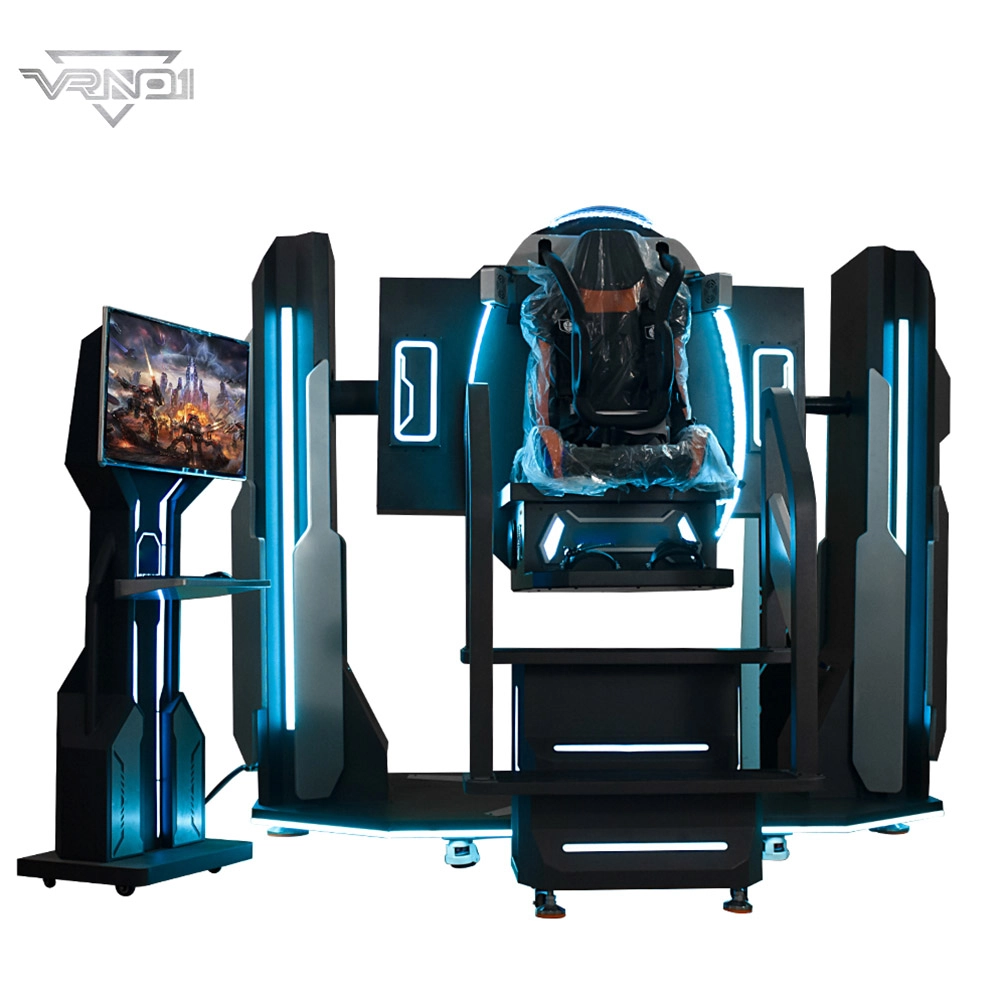
Máquinas de juego de realidad virtual 9D con rotación de 720 grados y asiento único, montaña rusa VR
¡Descubre la máquina de juegos de realidad virtual 9D VRN0.1 VR con rotación de 720 grados y asiento individual! Vive aventuras inmersivas con nuestra montaña rusa de realidad virtual de vanguardia, ideal para salas de juego, parques temáticos y centros de entretenimiento. ¡Dale un toque de diversión a tu espacio!
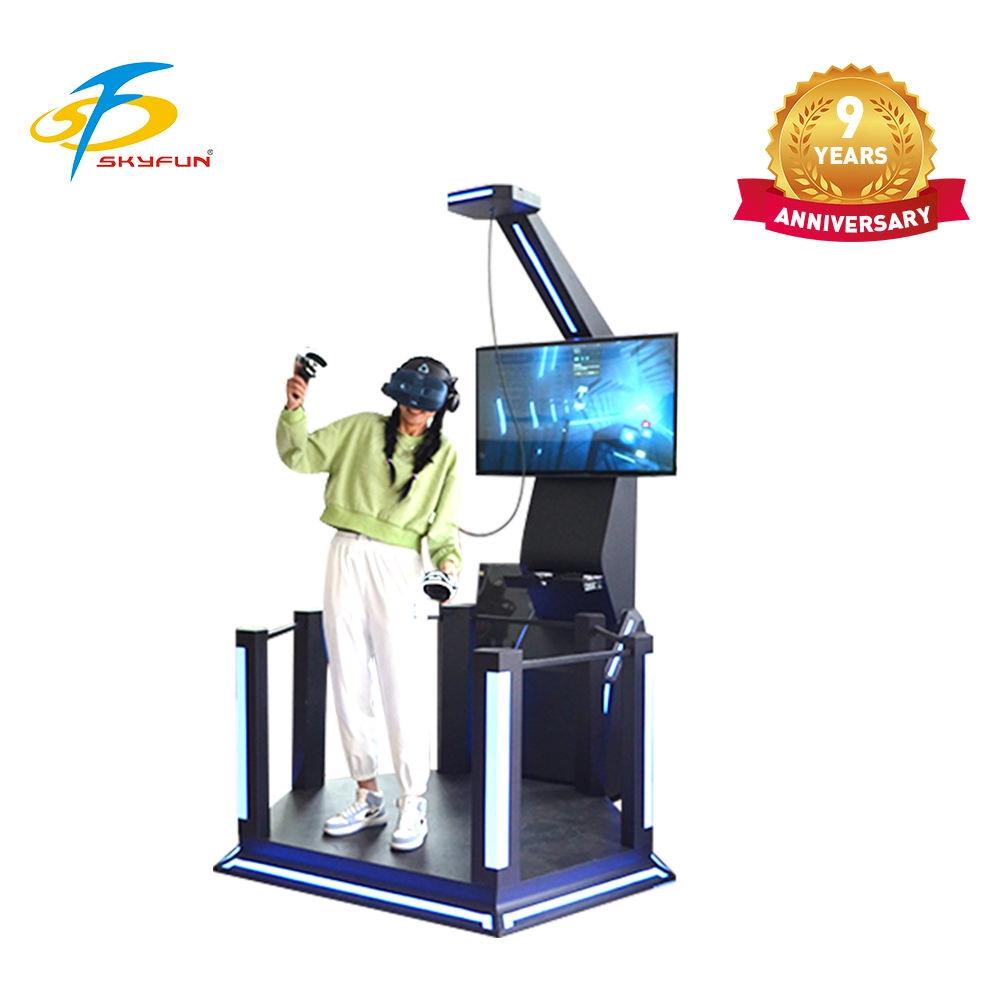
VRN0.1 VR Shooting HTC Adventure Park VR Game Simulador de juego de VR público Simulador de juego de VR de aeropuerto
Nuestro equipo de juegos de realidad virtual (VR) representa la cumbre de la tecnología de entretenimiento interactivo. Este sistema integral incluye funciones Mini HTC VR optimizadas para experiencias de juego de alta intensidad, en particular juegos de boxeo y simulaciones de acción. El equipo está diseñado para su uso comercial, priorizando la durabilidad, la seguridad del usuario y la eficiencia operativa.
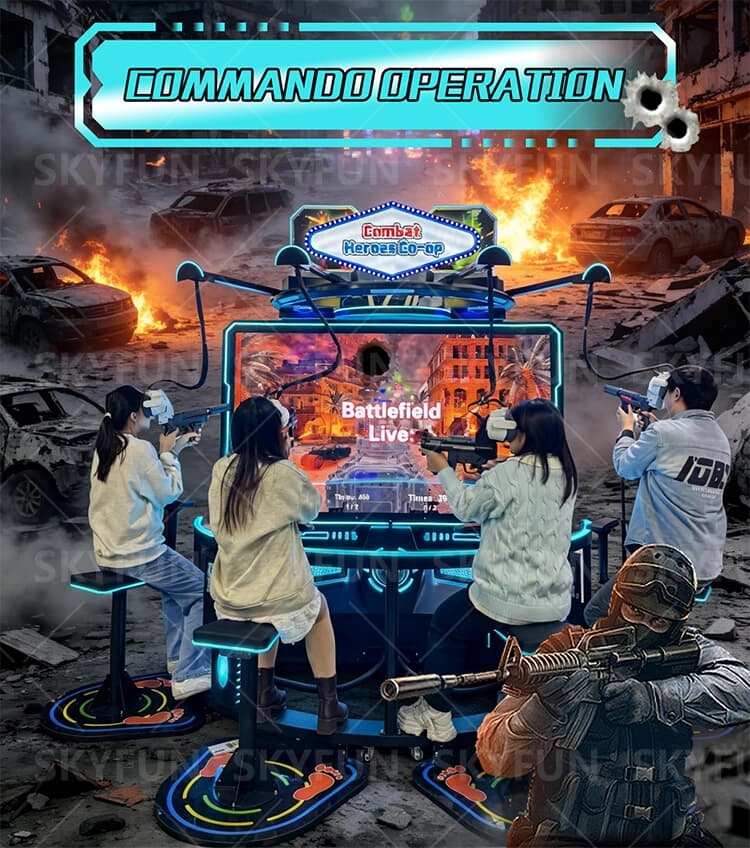
VRN0.1 Juego de disparos de realidad virtual para 4 jugadores, 360 grados, inmersivo, 4K, plataforma de movimiento, arcade, multijugador, simulador táctico
La industria de las salas de juegos de realidad virtual (RV) se ha enfrentado durante mucho tiempo a una dicotomía crucial: cómo ofrecer experiencias profundamente inmersivas sin comprometer la eficiencia operativa. Los sistemas tradicionales de RV basados en gafas, si bien tecnológicamente potentes, suelen presentar importantes inconvenientes: problemas de higiene, procedimientos de colocación y retirada lentos y el frecuente problema del mareo por movimiento. Además, los juegos de disparos de RV convencionales a menudo no ofrecen la interactividad dinámica y profundamente atractiva que realmente motiva a los jugadores a repetir la experiencia.
Skyfun, un pionero reconocido en soluciones de entretenimiento inmersivo conmás de una década de experiencia especializada,se revela con orgulloVR Strike Force: 4-Player Assault: una experiencia innovadoraJuego de disparos en realidad virtual sin gafas. Diseñado meticulosamente para maximizar los ingresos por metro cuadrado y ofrecer una satisfacción inigualable al jugador, VR Strike Force redefinirá el panorama del entretenimiento basado en la ubicación, ofreciendo una experiencia auténtica.Experiencia en "Operación de Asalto".
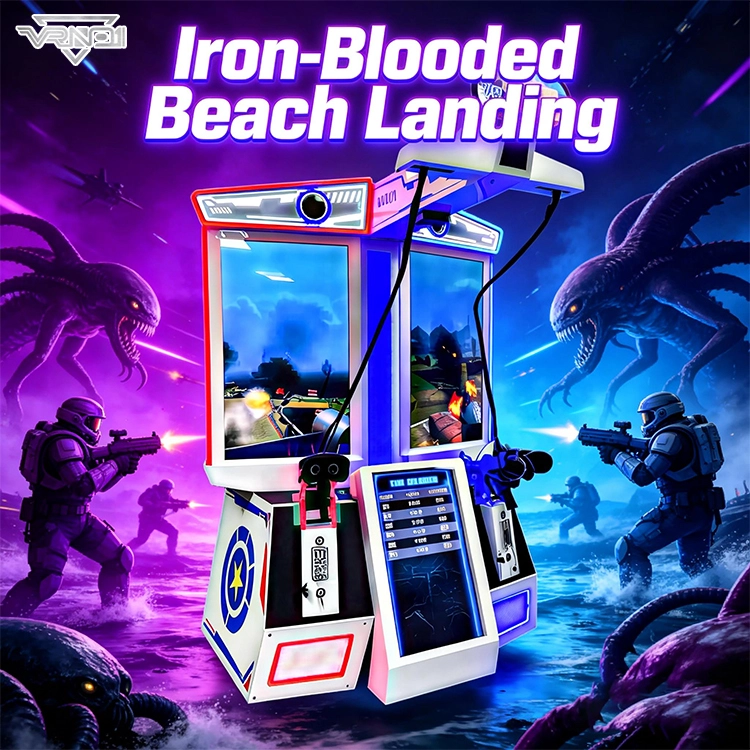
VRN0.1 Iron Assault Premier Dual Station Juego de disparos en realidad virtual para 2 jugadores, simulador de combate multijugador
Guerra ofensiva de alta resistencia | Arquitectura independiente de doble núcleo | Sistema de suspensión sin mantenimiento
En el competitivo panorama del entretenimiento basado en la ubicación (LBE), los juegos de disparos genéricos ya no son suficientes. Entran en escena los...VR NO.1 Asalto de hierro– un simulador de realidad virtual de nivel militar que resucita la adrenalina de la guerra "Beachhead" con tecnología de última generación.
Diseñado porVR N.° 1Esta máquina no es solo un juego; es una estación táctica de alto rendimiento. Al utilizar un sistema patentado...Arquitectura de operación divididaPermite que dos operadores participen en asaltos sincronizados o realicen misiones completamente independientes simultáneamente. Se erige como la solución definitiva para salas de juego que exigen una alta retención de jugadores y una larga vida útil.
 Escanear código QR
WhatsApp: +8618127818571
Escanear código QR
Guangzhou Skyfun Technology Co., Ltd.
skyfunvrgame
Juego skyfun